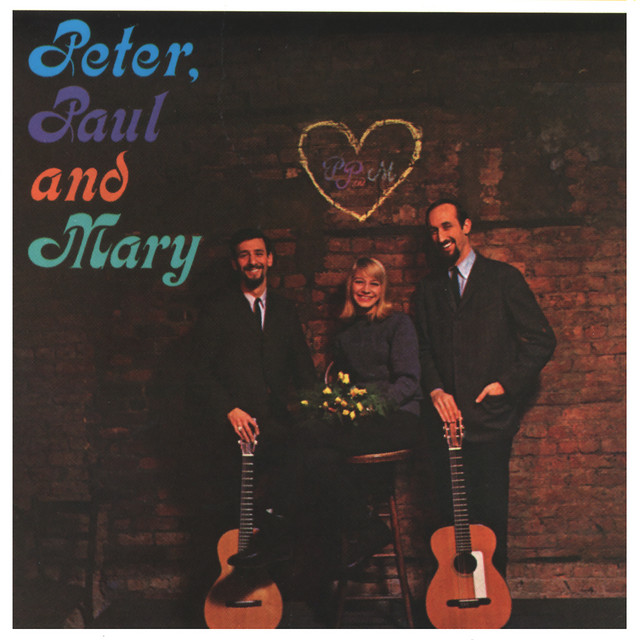
The Heart of the Movement
'500 Miles,' also known as '500 Miles Away from Home,' stands as a quintessential anthem of the 1960s folk revival. Released by Peter, Paul and Mary in 1962, this track is not just a song; it's a cultural touchstone that encapsulates the longing and disillusionment of a generation. The folk revival was more than a musical genre; it was a social movement, and '500 Miles' became its heart.
Lyrics that Speak Volumes
The song's narrative of a traveler lamenting their distance from home speaks to a universal feeling of isolation that many felt during the turbulent 1960s. The line,
encapsulates the sense of yearning that permeated folk music at the time. It reflects both personal and societal estrangement, resonating with those who were often at odds with the status quo."If you miss the train I'm on, you will know that I am gone"
A Broader Context
The folk revival was characterized by a resurgence of traditional American music, and '500 Miles' was a perfect fit. It was rooted in the American experience, drawing from the rich heritage of labor songs and railroad ballads. Its popularity in both the U.S. and Europe highlights its transatlantic appeal, symbolizing a shared struggle across cultures. Peter, Paul and Mary didn’t just popularize the song; they gave it a polished, accessible sound that drew in audiences who may have otherwise overlooked folk music.
The Power of Production
Produced by Milton Okun, the track features lush harmonies and a simple yet effective arrangement that allows the heartfelt lyrics to shine. Unlike some of their contemporaries, Peter, Paul and Mary were adept at balancing commercial appeal with authentic folk roots. This balance made '500 Miles' a staple on radio playlists and a favorite at protests and gatherings.
Legacy of '500 Miles'
The song's legacy extends far beyond its initial release. It became a rallying cry for the civil rights movement and anti-war protests, symbolizing a desire for change and a connection to community. The line,
captures that feeling of being part of something larger, a collective yearning for a better world. In this way, '500 Miles' transcended its simple narrative, becoming an anthem for a generation in search of hope."A thousand miles away from home, just a-waiting for my train"
Conclusion: An Everlasting Impact
Today, '500 Miles' continues to be a touchstone for new generations exploring folk music. Its ability to convey deep emotional truths through simplicity is a hallmark of great songwriting. The song remains a powerful reminder of the folk revival's role in shaping American music and culture. As long as there are stories of longing and distance, '500 Miles' will continue to echo in the hearts of listeners.
Did you know? '500 Miles' was originally written by Hedy West in the late 1950s and was later adapted by Peter, Paul and Mary, helping to propel it to international fame.