The Birth of a Folk Classic
In the realm of folk music, few songs have achieved the universal appeal and poignant simplicity of "500 Miles". Written by Hedy West in 1963, this track, also known as "500 Miles Away from Home" or the "Railroaders' Lament," became a staple for Peter, Paul and Mary, whose rendition propelled it into the hearts of a generation during the 1960s. The song's roots lie in a chance encounter, one that would come to encapsulate the yearning and loneliness of countless travelers.
From Inspiration to Creation
Hedy West, a gifted folk singer and songwriter, drew from her own experiences on the road. It was a conversation with a traveling railroad worker that sparked the initial ideas for the song. He lamented his distance from home, a sentiment that struck a chord with West. This interaction transformed into the haunting refrain of longing that listeners would soon embrace. The lyrics, rich in imagery and emotion, echo the struggles of those separated from their loved ones, making it a timeless anthem for the displaced.
"If you miss the train I'm on, you will know that I am gone"
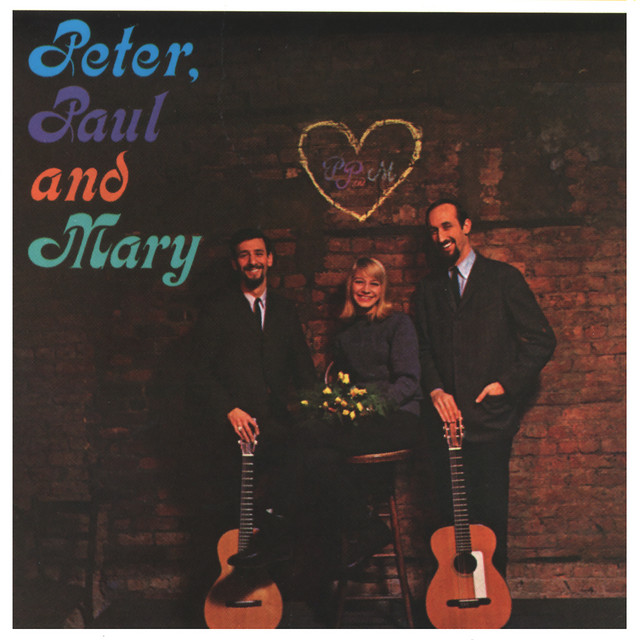
When Peter, Paul and Mary covered the song in 1962, it was more than just a performance; it was a revival of the folk genre that sought to weave personal narratives with societal themes. Their harmonious blend of voices captured the essence of West's original vision while introducing it to a broader audience. The track became synonymous with the folk movement, a sound that was both soothing and stirring.
The 1960s Folk Movement
The 1960s was a time of upheaval and change, and folk music provided a voice for the disillusioned and hopeful alike. Peter, Paul and Mary's version of "500 Miles" resonated with listeners disenchanted by the political climate of the time. The haunting melody and poignant lyrics served as both a lament and a rallying cry for those seeking connection across distances, both physical and emotional.
Peter, Paul and Mary also famously covered other protest songs like "If I Had a Hammer" and "Lemon Tree," further embedding them in the folk tradition.
One of the most striking aspects of "500 Miles" is its ability to evoke a sense of shared experience. The song's structure, with its repetitive chorus and simple, yet powerful, lyrics, invites listeners to join in the narrative. This participatory aspect turned the song into a folk standard, one that people would sing at gatherings, protests, and in their living rooms.
A Lasting Legacy
Decades later, "500 Miles" remains relevant, a reminder of the transient nature of life and the connections we forge along the way. The song has been covered by numerous artists, transcending generations and genres, yet none have captured its essence quite like Peter, Paul and Mary. Their version not only popularized the song but also solidified its place in the folk canon.
The emotional weight of the lyrics, combined with the rich harmonies of the trio, creates a resonance that is hard to forget. Each time the chorus rolls around, it serves as a reminder of the distance we sometimes find ourselves from the people we love, and the journey we undertake to reconnect with them.
"And I’m 500 miles away from home, 500 miles away from home"
In a world where music often serves as a backdrop, "500 Miles" stands out as a heartfelt narrative that invites introspection. Its genesis rooted in a simple encounter speaks to the power of storytelling in music, a reminder that sometimes, the most profound songs come from the most unassuming beginnings.