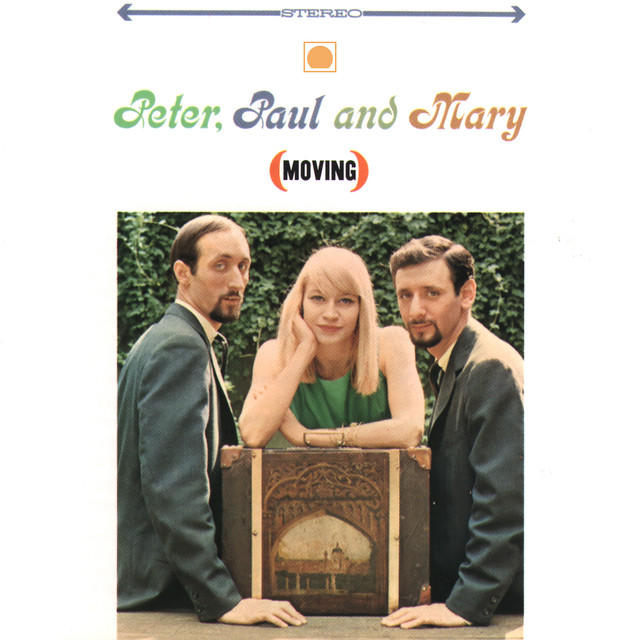
500 Miles
Summary
"500 Miles" captures the deep sense of longing and loneliness that comes with being far from home. It’s about the emotional toll of separation and the struggle to find a way back.
Full Analysis
The overall theme of "500 Miles" revolves around distance and the heartache it brings. The singer is far away from home, feeling lost and without resources. The repeated references to being 500 miles away emphasize just how far they've traveled, both physically and emotionally. This song taps into universal feelings of homesickness and the desire to connect with loved ones, no matter how far away they are.
Verse 1
If you miss the train I'm on, you will know that I am gone
You can hear the whistle blow a hundred miles
The first verse sets the tone for the song. It introduces the idea of departure and the inevitable absence that follows. The whistle of the train acts as a symbol of leaving, making it clear that once the train is gone, so is the singer. The mention of a hundred miles already hints at the vast distance and isolation that’s coming.
Chorus
Lord, I'm one, Lord, I'm two
Lord, I'm three, Lord, I'm four
Lord, I'm 500 miles from my home
In the chorus, the repetition of counting adds a rhythmic, almost childlike quality to the song. It drives home the idea of miles traveled, with each number reinforcing the feeling of separation. The phrase "500 miles from my home" carries a heavy weight, suggesting not just physical distance, but emotional distance too. It emphasizes the pain of being so far away from where one truly belongs.
Verse 2
Not a shirt on my back, not a penny to my name
Lord, I can't go home, this away
Here, the singer's situation becomes clearer. They’re not just far from home; they’re in a vulnerable state, lacking basic necessities. This paints a picture of desperation. The phrase "I can't go home" suggests that the singer feels trapped in their current situation, highlighting the urgency and despair of their longing to return.
Chorus
This away, this away
This away, this away
Lord, I can't go home, this away
In this chorus, the repetition of "this away" feels like a lament. It reinforces the feeling of being stuck and unable to find a way back. The emotional weight here is strong, as it highlights the frustration of knowing home is so far but feeling completely helpless to reach it.
Bridge
If you miss the train I'm on, you will know that I am gone
You can hear the whistle blow a hundred miles
The bridge brings back the initial imagery, tying the song together. It serves as a reminder of the train's departure and the finality of leaving. The whistle symbolizes the last chance to connect, echoing throughout the song. This repetition serves to deepen the sense of loss and adds to the overall melancholy.
Outro
You can hear the whistle blow a hundred miles
The song wraps up with this line, leaving the listener with a haunting reminder of distance. It circles back to the beginning, emphasizing that even if you can hear the train, it may be too late. The whistle becomes a symbol of separation that lingers long after the song ends.
Closing Thoughts
"500 Miles" is a powerful expression of longing and isolation. Through its simple yet evocative lyrics, it captures the essence of being far from home and the emotional weight that comes with it. It’s a timeless reminder of how distance can affect our hearts and minds, making us yearn for the places and people we love.
Full Lyrics
▼
You can hear the whistle blow a hundred miles
A hundred miles, a hundred miles
A hundred miles, a hundred miles
You can hear the whistle blow a hundred miles
Lord, I'm one, Lord, I'm two
Lord, I'm three, Lord, I'm four
Lord, I'm 500 miles from my home
500 miles, 500 miles
500 miles, 500 miles
Lord, I'm 500 miles from my home
Not a shirt on my back, not a penny to my name
Lord, I can't go home, this away
This away, this away
This away, this away
Lord, I can't go home, this away
If you miss the train I'm on, you will know that I am gone
You can hear the whistle blow a hundred miles