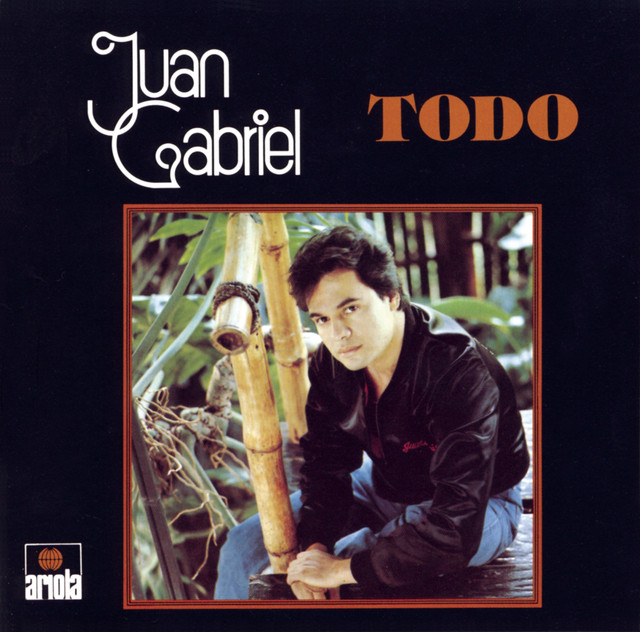
The Touchstone of Emotion
When Juan Gabriel released "Caray" in 1981 as part of his album Recuerdos, Vol. II, he didn’t just create a song; he crafted an anthem of emotional release. The track, characterized by its sweeping melodies and heartfelt lyrics, has become a cornerstone in the Latin American pop ballad tradition. It showcases Gabriel's exceptional ability to articulate the complexities of love and loss through music.
With lines that express desperation and yearning, Gabriel invites listeners into a world where vulnerability reigns. The phrase
captures the essence of heartache, making it a relatable experience for many. Such raw emotion is a hallmark of Latin ballads, and Gabriel's delivery sets a standard that continues to influence contemporary artists."Caray, qué dolor, no sé qué hacer"
The King of Latin Pop
Juan Gabriel, often referred to as the "King of Latin Pop," amassed an incredible discography that includes over 100 million records sold worldwide. His contributions to the genre are monumental, with "Caray" standing out as a pivotal moment that helped shape the sound and sentiment of Latin pop ballads. The lush orchestration and passionate vocal delivery in this track are reflective of his signature style, melding traditional Mexican music with the more modern pop sensibilities of the time.
Interesting fact: Juan Gabriel wrote over 1,800 songs in his lifetime, showcasing his prolific nature and deep understanding of the human experience.
Legacy and Influence
The lasting legacy of "Caray" can be seen in the works of numerous artists who followed in Gabriel's footsteps. Modern Latin pop stars like Alejandro Sanz and Pablo Alborán have taken cues from his emotive storytelling and lush arrangements. These artists often infuse their music with the same level of passion and sincerity that Gabriel exemplified.
Moreover, the themes explored in "Caray"—heartache, longing, and the quest for connection—remain relevant today. The song laid the groundwork for a new wave of Latin ballads that prioritize emotional depth, allowing listeners to find solace in shared experiences. Gabriel's influence is evident in the way current artists approach songwriting, often channeling their own vulnerabilities much like he did.
A Cultural Touchstone
In a region where music serves as a cultural touchstone, "Caray" transcends mere entertainment. It resonates with the collective psyche of Latin American communities, embodying the trials and tribulations of love. The song's ability to evoke tears and smiles alike speaks to its universal appeal, making it an enduring classic.
As Latin pop continues to evolve, the impact of Juan Gabriel's "Caray" remains palpable. It serves as a reminder that at the heart of every ballad lies a story waiting to be told—one that can unite listeners across generations and borders.