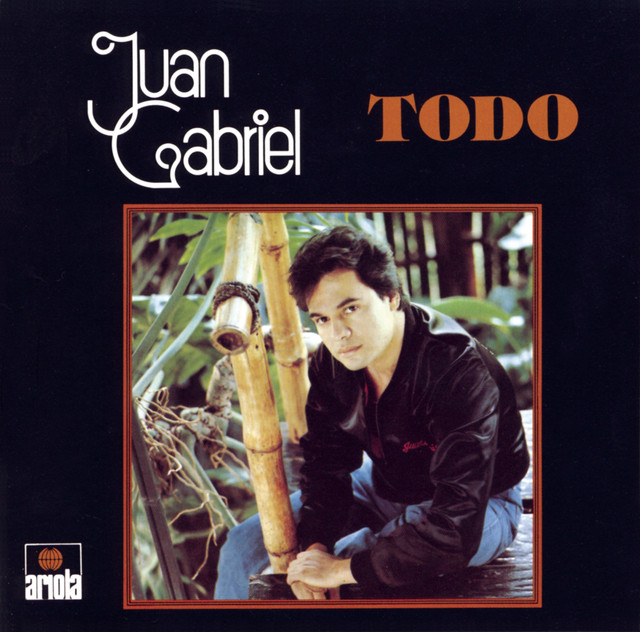
Caray
by Juan Gabriel
Summary
"Caray" is a heartfelt song about lost love and regret. The singer reflects on how life could have been different if he and his love had married. He sees her suffering after choosing wealth over genuine love, while he has moved on and found happiness.
Full Analysis
The overall theme of the song revolves around love, regret, and the consequences of choices. The singer laments a past relationship that ended because his partner prioritized money over true affection. He feels a mix of sorrow and satisfaction as he has built a happy life without her, while she faces the fallout of her decision. It’s a classic tale of love lost and the harsh realities of life, highlighting that material wealth doesn’t guarantee happiness.
Verse 1
Si nosotros nos hubieramos casado
Aquel tiempo cuando yo te lo propuse
No estarías hoy sufriendo ni llorando
Por aquel humilde amor que yo te tuve
Caray, cuando te tuve, caray, cuando te tuve
In this verse, the singer reflects on a pivotal moment in the past when he proposed marriage. He believes that if they had married, she wouldn’t be suffering now. The repetition of "caray" shows his disbelief and frustration at the situation. It’s clear he still cares for her and feels a sense of loss for what could have been. The contrast between humble love and her current suffering sets the stage for the emotional journey of the song.
Chorus
Si nosotros nos hubieramos casado
Aquel tiempo cuando yo te lo propuse
No estarías hoy sufriendo ni llorando
The chorus reinforces the main idea of missed opportunities and regret. He repeats the idea that marrying him would have spared her pain, emphasizing his feelings of guilt and sadness. The repetition here serves to drive home the weight of his thoughts, making it clear that this is a core reflection for him.
Verse 2
Pero tú me abandonaste por ser pobre
Te casaste con un viejo que es muy rico
Y lloré y lloré y lloré noche tras noche, caray
Noche tras noche, caray, noche tras noche
Here, the singer confronts the painful truth that she left him for someone wealthy. It’s a bitter realization, and his sorrow is palpable as he recalls the nights he spent crying. The repetition of "lloré" emphasizes his deep emotional hurt and how much this loss affected him. It shows vulnerability and a longing for what they could have had together.
Chorus
Ahora soy yo
Quien vive feliz
Formé un hogar
Cuando te perdí
In this chorus, there’s a shift in perspective. The singer reveals that he has moved on and created a happy life. It’s a moment of empowerment, where he acknowledges his own happiness despite the heartbreak. This contrast between his past pain and current joy highlights his growth and resilience.
Verse 3
Después, después
Yo te olvidé
Y te perdoné
Ya no puedo hacer
The singer expresses that he has managed to forget and forgive her. It’s a significant moment, showing that he’s let go of the past to some degree. However, the phrase "ya no puedo hacer" hints at lingering feelings, suggesting that while he’s moved on, the scars of the past still affect him.
Chorus
Ya nada por ti
Ya nada por ti
Ya nada por ti
This repetition signifies a finality in his feelings. He acknowledges that he can’t do anything for her anymore, and it feels liberating. He’s accepted that their paths have diverged and that he has to focus on his own happiness.
Bridge
Con el tiempo a ti también te abandonaron
Y ahora vives infeliz y desgraciada
Muy sola y muy triste te dejaron
Y sin dinero, sin él, sin mí, sin nada, caray
In this bridge, the singer reflects on her current state. He notes that she is now abandoned and unhappy, a stark contrast to his own happiness. The list of what she lacks, money, a partner, and him, reinforces the idea that her choices have led to a lonely life. It brings a sense of justice to his pain, showing that her decision for wealth didn’t bring her happiness.
Chorus
Todo por casarte con un rico
Hoy sabes que el dinero no es la vida
Ni la felicidad pero muy tarde, caray
Lo has comprendido, caray, lo has comprendido
The chorus here serves as a lesson learned. The singer points out that she’s realized too late that money can’t buy happiness. The repetition of "caray" emphasizes his disbelief and perhaps a sense of vindication. It’s a bittersweet acknowledgment that reflects both his empathy and the reality of their choices.
Outro
Ahora soy yo
Quien vive feliz
Formé un hogar
Cuando te perdí
Después
Yo te perdoné
Y no puedo hacer
Ya nada por ti
Ya nada por ti
Ya nada por ti
The outro circles back to his happiness and the finality of their separation. He reaffirms that he has built a new life and forgiven her, yet he can’t do anything for her anymore. It’s a mix of closure and sadness, showing that while he’s moved on, the memories and emotions still linger.
Closing Thoughts
"Caray" beautifully captures the pain of unrequited love and the reality of choices. Juan Gabriel’s lyrics are simple yet powerful, allowing listeners to connect with the emotions of regret and acceptance. The song reminds us that while love can be complicated, finding happiness is ultimately a personal journey.
Full Lyrics
▼
Aquel tiempo cuando yo te lo propuse
No estarías hoy sufriendo ni llorando
Por aquel humilde amor que yo te tuve
Caray, cuando te tuve, caray, cuando te tuve
Si nosotros nos hubieramos casado
Aquel tiempo cuando yo te lo propuse
No estarías hoy sufriendo ni llorando
Por aquel humilde amor que yo te tuve
Caray, cuando te tuve, caray, cuando te tuve
Pero tú me abandonaste por ser pobre
Te casaste con un viejo que es muy rico
Y lloré y lloré y lloré noche tras noche, caray
Noche tras noche, caray, noche tras noche
Ahora soy yo
Quien vive feliz
Formé un hogar
Cuando te perdí
Después, después
Yo te olvidé
Y te perdoné
Ya no puedo hacer
Ya nada por ti
Ya nada por ti
Ya nada por ti
Con el tiempo a ti también te abandonaron
Y ahora vives infeliz y desgraciada
Muy sola y muy triste te dejaron
Y sin dinero, sin él, sin mí, sin nada, caray
Sin, sin dinero caray, sin mí, sin nada
Con el tiempo a ti también te abandonaron
Y ahora vives infeliz y desgraciada
Muy sola y muy triste te dejaron
Y sin dinero, sin él, sin mí, sin nada, caray
Sin sin dinero caray, sin mí, sin nada
Todo por casarte con un rico
Hoy sabes que el dinero no es la vida
Ni la felicidad pero muy tarde, caray
Lo has comprendido, caray, lo has comprendido
Ahora soy yo
Quien vive feliz
Formé un hogar
Cuando te perdí
Después, después
Yo te olvidé
Y te perdoné
Y no puedo hacer
Ya nada por ti
Ya nada por ti
Ya nada por ti
Ahora soy yo
Quien vive feliz
Formé un hogar
Cuando te perdí
Después
Yo te perdoné
Y no puedo hacer
Ya nada por ti
Ya nada por ti
Ya nada por ti
![Así Fue - En Vivo [Desde el Instituto Nacional de Bellas Artes]](https://i.scdn.co/image/ab67616d0000b273c04e144ad0808a6e2af9d8a6)