Roots of Sorrow and Triumph
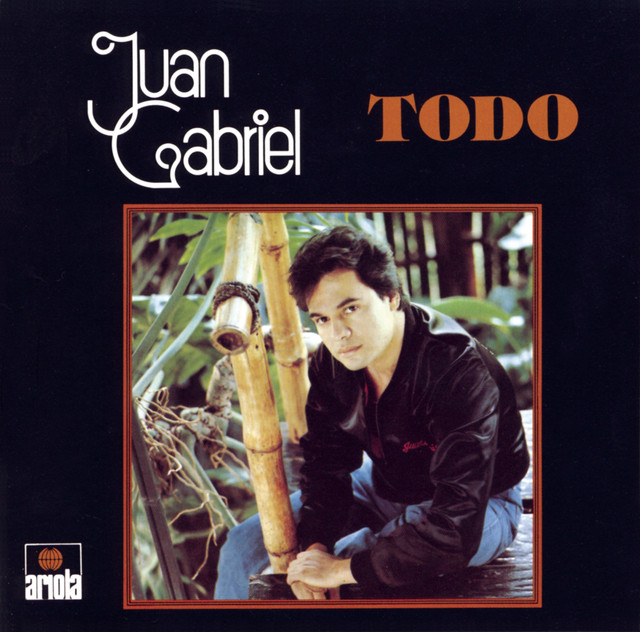
Juan Gabriel, known as the "King of Latin Pop," crafted songs that transcended mere entertainment, often drawing from the richness of his tumultuous life. His ability to channel personal pain into universal themes is particularly evident in his 1972 hit, "Caray," from the album El Alma Joven. This track encapsulates the essence of longing and the struggle for acceptance, reflecting Gabriel's own battles with identity and love.
A Journey Through Adversity
Born Alberto Aguilera Valadez in Parácuaro, Michoacán, Gabriel faced a challenging upbringing marked by poverty and familial struggles. These early experiences laid the groundwork for his songwriting, where he often explored themes of loss and yearning. In "Caray," he expresses a deep sense of hurt and desire, as he sings about unreciprocated love and the pain of separation.
"Caray, como me duele verte así"
This line echoes the emotional weight that permeates the song. Gabriel's lyricism captures the essence of heartbreak, resonating with anyone who has experienced similar feelings. The sincerity in his voice underscores the rawness of his emotions, making it difficult to listen without feeling the pangs of nostalgia and regret.
Creative Evolution
The production of "Caray" is a testament to Gabriel's innovative approach to music. It combines traditional Mexican sounds with pop sensibilities, a hallmark of his style that helped redefine Latin music. His collaboration with producer Manuel “César” T. Velasco during this period was instrumental in creating a sound that was both fresh and deeply rooted in cultural authenticity.
Did you know? Juan Gabriel sold over 100 million records worldwide, making him one of the best-selling Latin music artists of all time.
Emotional Connection with Fans
What sets "Caray" apart is its ability to connect on an emotional level. Gabriel was not just a performer; he was a storyteller. His lyrics often mirrored his own experiences, making them relatable to a broad audience. The vulnerability he exhibits in the song allows listeners to find solace in shared pain, creating a bond that transcends language and culture.
Legacy of 'Caray'
As part of his extensive discography, "Caray" remains a highlight that showcases Gabriel's mastery of emotive songwriting. His ability to transform personal narratives into anthems of collective experience is what solidifies his legacy as a musical icon. Songs like "Caray" are not merely about personal heartbreak; they reflect the universal human condition, allowing us all to feel understood.
"Y que me importa que no estés aquí"
This lyric reveals a profound resignation and acceptance of loss, encapsulating the essence of Gabriel's artistic vision. It reflects a philosophical depth that invites listeners to ponder their own experiences with love and heartache.
Conclusion: A Voice for the Voiceless
Juan Gabriel's "Caray" is more than just a song; it is a reflection of his life's struggles and triumphs. Through this track, he gives voice to those who feel unseen and unheard, creating an emotional landscape that continues to resonate with audiences worldwide. In the end, Gabriel's artistry lies in his ability to articulate the complex emotions surrounding love and loss, making him a timeless figure in music history.