The Weight of Generational Expectations
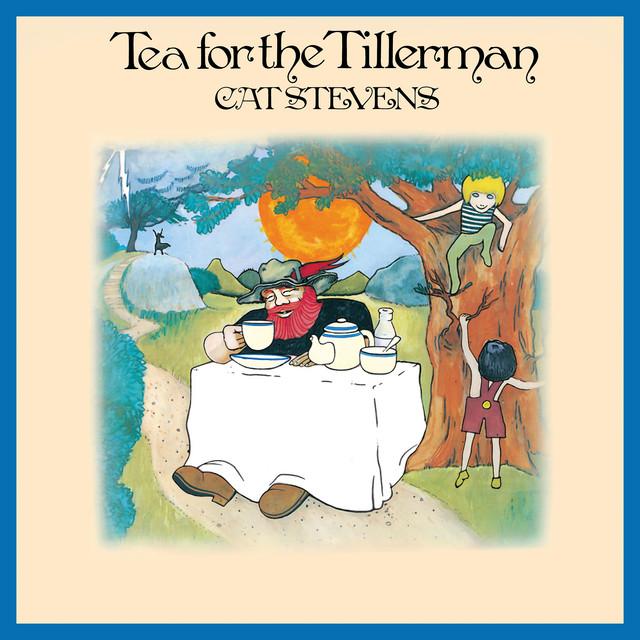
Released in 1970 on the album Tea for the Tillerman, Cat Stevens' "Father And Son" delves into the profound chasm between generations. The song captures a raw dialogue between a father and son, each representing different worldviews influenced by time and experience. The father's insistence on tradition clashes with the son's yearning for freedom, a theme that echoes the teachings of Eastern philosophy.
Seeking Inner Peace
Stevens' lyrics reflect a fundamental conflict found in many Eastern philosophies, particularly Buddhism and Taoism, where the journey towards self-realization is paramount. The son pleads,
His desire for patience and understanding mirrors the Buddhist principle of mindfulness, urging individuals to embrace the present rather than succumb to societal pressures."It's not time to make a change, just relax, take it slowly."
The Role of Destiny
Eastern thought often revolves around the concept of destiny and the acceptance of life's flow. The father, representing the past, insists on a rigid path, while the son desires to forge his own. This tension encapsulates the struggle between predetermined roles and the quest for individual identity. The father's warning,
emphasizes the inevitability of time and the fleeting nature of aspirations, a core tenet in many Eastern philosophies that stress the importance of living in harmony with the present."You’ll still be here tomorrow, but your dreams may not."
Rebellion Against Tradition
The song's essence resonates with the Eastern idea of 'Wu Wei' or 'non-action'—the idea that sometimes, the best course of action is to let things unfold naturally. The son’s rebellion against his father’s traditional values can be seen as an act of self-actualization, which is celebrated in many Eastern practices. His declaration,
signals a commitment to personal growth, suggesting that true wisdom often lies in breaking away from established norms."I know I have to go, I know I have to go."
Cultural Context and Spiritual Awakening
At the time of writing, Stevens was undergoing a spiritual transformation, heavily influenced by Eastern spirituality. His conversion to Islam and subsequent name change to Yusuf Islam reflects a deep commitment to exploring life's deeper meanings. This spiritual journey permeates "Father And Son," as the themes of conflict and understanding draw from the philosophies he was embracing. The father’s rigid adherence to societal expectations clashes with the son’s quest for enlightenment.
Cat Stevens' exploration of Eastern philosophies not only shaped his music but also transformed his entire life, leading to his eventual conversion to Islam in 1977.
The Timeless Nature of the Conflict
Ultimately, the dialogue in "Father And Son" transcends cultural boundaries, remaining relevant across generations. The push and pull between a father’s wisdom and a son’s desire for self-discovery resonates deeply in a world that often finds itself at odds with tradition. Stevens captures this timeless struggle in a way that invites listeners to reflect on their own familial relationships and the philosophical underpinnings that guide them.
In embracing Eastern philosophy, Stevens not only tells a compelling story but also offers a lens through which we can examine our own lives. The interplay of patience and urgency, tradition and freedom, is a narrative as old as time, yet one that continues to evolve and inspire.