A Generational Divide
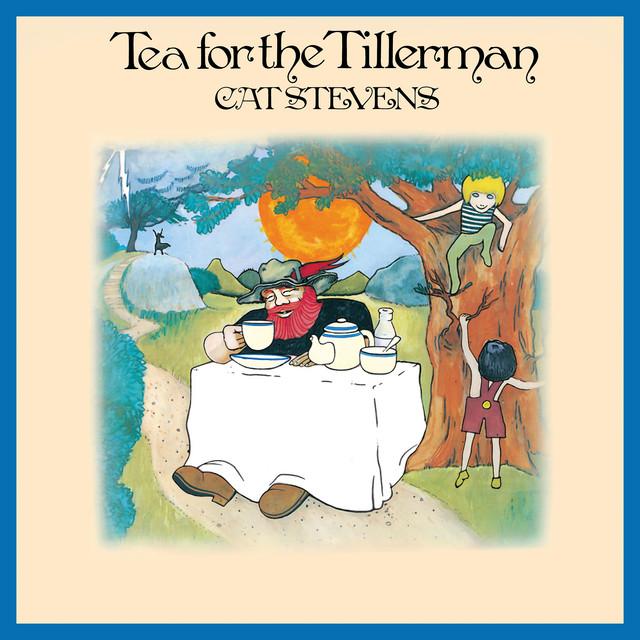
Released in 1970 on the album Tea for the Tillerman, "Father and Son" offers a raw and intimate look into the generational conflict between a father and his son. This song is not merely a narrative but a window into Yusuf/Cat Stevens' struggles with identity and responsibility as a father.
In the song, the father represents tradition and the weight of expectations. He advises his son to take life seriously, urging him to understand that
. This line speaks to a universal experience: the frustration of parents who want to see their children succeed, often through the lens of their own experiences."You’re still young, that’s your fault"
The Son's Rebellion
On the other hand, the son embodies the spirit of rebellion and self-discovery. He longs to break free from the constraints imposed by his father's wisdom. When he responds with a yearning to follow his own path, saying
, we see the emotional turmoil of youth—a desire for independence clashing with parental expectations."I have to be free"
This dynamic captures not just a familial struggle but a broader commentary on societal expectations of success and happiness. Cat Stevens’ own journey mirrors this conflict, as he transitioned from a successful musician to a spiritual figure, seeking deeper meaning beyond material success.
Yusuf's Personal Context
Born Steven Demetre Georgiou, Yusuf's life was shaped by his diverse cultural heritage and the expectations that came with it. His relationship with his father, a Greek immigrant, was fraught with the same tensions reflected in the song. Yusuf's eventual embrace of Islam and his subsequent retreat from the music industry in the late '70s can be seen as a form of rebellion similar to that of the son in "Father and Son".
Did you know? Yusuf/Cat Stevens re-released a remastered version of Tea for the Tillerman in 2020 to celebrate its 50th anniversary, underscoring the lasting impact of his work.
The Legacy of the Song
"Father and Son" has transcended generations, remaining relevant as it captures the universal struggle between youthful idealism and parental advice. It reflects a time when the counterculture movement was challenging traditional values, much like the son in the song seeks to challenge his father's perspective.
Yusuf's ability to articulate these feelings with such clarity and emotion makes the song a timeless piece. The duality of voices in the song creates a dialogue that many families still navigate today. As the father implores the son to see life through his eyes, the son’s response is a reminder of the inevitable push and pull of family relationships.
A Personal Reflection
Listening to "Father and Son" today, one can't help but feel the weight of Yusuf's lyrics in the context of modern fatherhood. Parents still grapple with the same fears of losing their children to their own paths, while children continue to strive for authenticity in a world that often pushes conformity.
Ultimately, the song is a poignant reminder that the journey of understanding between a parent and child is ongoing. Yusuf/Cat Stevens not only captured his own struggles but gave voice to a shared experience that resonates across time.