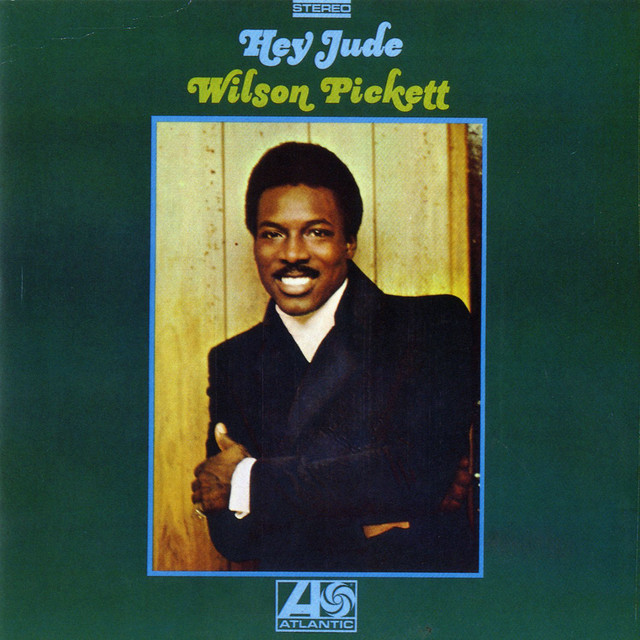
The Soul of Muscle Shoals
In 1969, Wilson Pickett released his ninth studio album, appropriately titled Hey Jude, recorded at the iconic FAME Studios in Muscle Shoals, Alabama. This project not only showcased Pickett's powerhouse vocals but also redefined a classic Beatles song through the lens of gospel-infused soul. This fusion allowed Pickett to transcend mere cover status, instead crafting an interpretation that breathed new life into the original.
Gospel Roots and Influences
Pickett's connection to gospel music runs deep, as he honed his craft in church choirs before making a name for himself in the secular market. His rendition of Hey Jude is a testament to this background, channeling the fervor and emotional weight of gospel traditions. The song transforms the Beatles' heartfelt message into a call-and-response experience that feels both communal and deeply personal.
"Better, better, better, oh oh!"
These repeated affirmations reflect the uplifting essence of gospel music, encouraging listeners to find strength and hope. Pickett's voice, raw and impassioned, lifts the track beyond its original sentiment into a soulful anthem that resonates with the struggles and triumphs of everyday life.
Musical Arrangement and Production
The production of Hey Jude is crucial to its impact. With the legendary Rick Hall at the helm, the recording captures the gritty, unrefined energy of Muscle Shoals. The arrangement features a tight band that expertly blends horns, rhythm, and backing vocals, echoing the call-and-response style prevalent in gospel music. This arrangement invites listeners to join in, making it feel almost like a revival meeting rather than a simple pop song.
Impact on Soul Music
Pickett's version of Hey Jude not only showcases his unique interpretation but also solidified a trend within soul music during the late '60s. By merging rock influence with gospel roots, Pickett paved the way for future artists who would explore similar boundaries. The emotional intensity he brought to the song set a new standard for soul artists, who began to see rock classics as ripe for reinterpretation.
Interesting fact: Wilson Pickett’s Hey Jude reached No. 23 on the Billboard Hot 100, showcasing the crossover potential of soul music in the pop landscape.
Legacy of 'Hey Jude'
Even decades after its release, Pickett's Hey Jude resonates with artists today. The blending of genres that he exemplified encourages modern musicians to explore their roots and reimagine beloved classics. This song serves as a powerful reminder of how music can transcend its original context, becoming something new and extraordinary.
In a world increasingly driven by genre lines, Wilson Pickett’s rendition stands as a bold declaration that music is a living, breathing entity, capable of transformation. His Hey Jude challenges us to embrace the full spectrum of our musical influences, reminding us that the heart of soul music is a shared human experience.