Reimagining a Classic
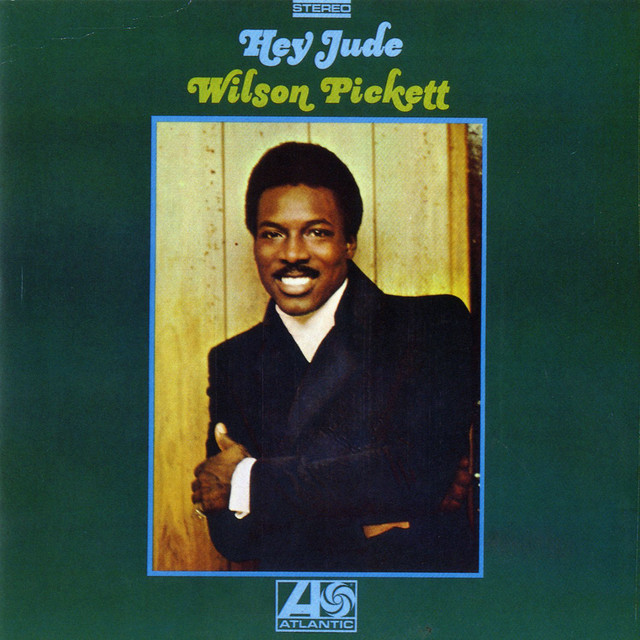
Wilson Pickett's 1969 version of "Hey Jude" stands as a bold reinterpretation of The Beatles' beloved classic. Recorded at the iconic FAME Studios in Muscle Shoals, Alabama, this rendition infuses the original with a raw energy that only Pickett could deliver. While the Beatles offered a comforting balm to a friend in distress, Pickett transforms the narrative into a rallying cry for anyone grappling with heartbreak.
Heartbreak Meets Soul
Unlike the original's gentle, almost paternal tone, Pickett's take is steeped in the urgency of soul music. His powerful voice elevates the song's message of resilience, making it not just a song of comfort but one of empowerment. The heart-wrenching lines that urge the listener to “take a sad song and make it better” become a call to action in Pickett's hands.
"Take a sad song and make it better"
The emotional depth of Pickett’s performance is palpable. He takes the familiar refrain and imbues it with the spirit of a man who has faced struggle, channeling that experience into a universal message of hope. The gospel-infused backing vocals and the vibrant instrumentation add layers to the song, turning it into a celebration rather than mere consolation.
The Muscle Shoals Magic
Produced by the legendary Rick Hall, the track showcases the unique sound of Muscle Shoals, where soul and rock collided to create something extraordinary. The tight-knit rhythm section complements Pickett's dynamic vocal delivery, creating a sound that is both rich and uplifting. This musical alchemy helps to emphasize the song's message, transforming it into an anthem for those who need to rise above their pain.
Interesting fact: Wilson Pickett recorded "Hey Jude" in the same legendary studio that birthed classics by Aretha Franklin and The Rolling Stones.
A Celebration of Resilience
Pickett's rendition does more than just reinterpret the lyrics; it reframes the emotional landscape. The song becomes less about the sorrow of parting and more about the strength to move forward. His fervent delivery on lines like “remember to let her into your heart” shifts the focus from loss to acceptance and growth.
"Remember to let her into your heart"
This shift in tone empowers listeners, encouraging them to embrace their struggles, learn from them, and ultimately emerge stronger. It’s a message that resonates especially in the context of the late 1960s, a time marked by social upheaval and personal turmoil.
Legacy of a Soul Icon
Wilson Pickett carved out a place in music history as a pivotal figure in soul, and his interpretation of "Hey Jude" is a testament to his artistry. By taking a song associated with The Beatles, a band known for their introspective lyrics, and transforming it into a powerful anthem of resilience, Pickett showcased his ability to transcend genres and connect with listeners on a deeper level.
In a world where heartbreak can feel isolating, Pickett’s "Hey Jude" serves as a reminder that we are never alone in our struggles. Through music, we can find strength, community, and the will to move forward. His version isn’t just a cover; it’s a reinvention that celebrates the human spirit.