The Soundtrack of a Generation
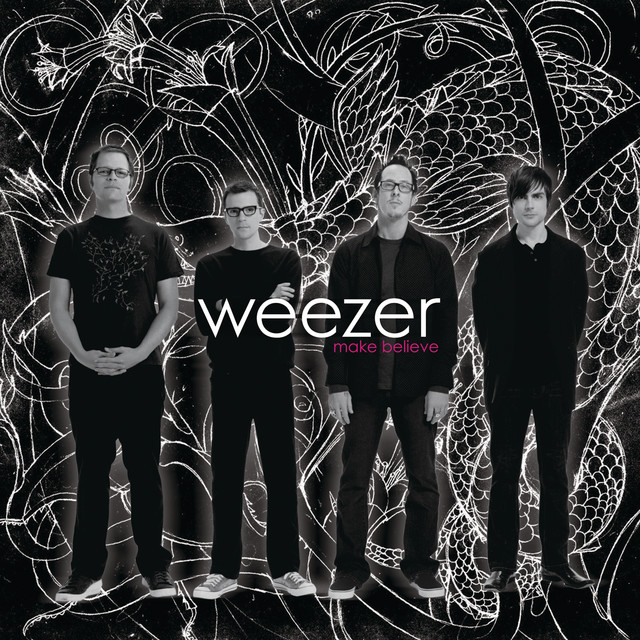
When Weezer released "Beverly Hills" in 2005 as the lead single from their fifth album, Make Believe, few could have anticipated its enduring influence. The song, with its catchy hook and self-deprecating lyrics, quickly became emblematic of a generation grappling with identity amidst the allure of celebrity culture.
Produced by Rick Rubin, the track marked a pivot for the band, blending their signature alt-rock style with a polished pop sensibility. The lyrics, with their candid observations about wealth and fame, resonated with listeners who felt caught between aspiration and reality. Lines like
served as both a dream and a critique, a sentiment that sparked conversations in various online communities."Beverly Hills, that's where I want to be"
From Music to Meme
The song's infectious chorus not only dominated the charts, reaching number 10 on the US Billboard Hot 100, but it also became a cultural touchstone for meme culture. Online platforms like Twitter and TikTok saw a surge of content that referenced the song, often using it to juxtapose moments of aspiration with the mundane realities of everyday life. The contrast between the glamorous life depicted in the song and the often unglamorous lives of its listeners created fertile ground for humor and relatability.
Platforms like Reddit became hubs for discussions about the song's themes. User-generated content often explored what it meant to desire a life of luxury while simultaneously feeling disconnected from it. The irony embedded in the lyrics fueled a dialogue that went beyond simple admiration for the track; it evolved into a critique of societal norms.
A Critique of Celebrity Culture
Weezer’s lyrics don’t just celebrate Beverly Hills; they serve as a commentary on the superficiality of fame. In lines like
, lead singer Rivers Cuomo captures the dissonance between the glitzy image of wealth and the underlying insecurities that accompany it. This sentiment struck a chord with audiences who often felt alienated in the face of relentless social media portrayals of success."Living in Beverly Hills, I’m just a kid"
The song's impact on online communities extends to the rise of influencers and content creators who often curate their lives to mirror the aspirations expressed in “Beverly Hills.” Paradoxically, while the song critiques this lifestyle, it has inadvertently fueled the very culture it seeks to satirize. Creators leverage the song's themes to build personas that thrive on unattainable standards, creating a cycle of aspiration and disappointment.
Generational Identity
What makes “Beverly Hills” particularly relevant today is its embodiment of generational identity. Millennials and Gen Z, who were coming of age during its release, continue to grapple with the complexities of aspiration versus reality. The song has become a nostalgic anthem that captures a collective yearning for a life that feels just out of reach.
In online forums, discussions often blend personal anecdotes with the song's themes, showcasing how it reflects broader societal challenges. The desire to belong and be recognized is an intrinsic part of the human experience, and “Beverly Hills” taps into that universal narrative.
Conclusion
The unexpected cultural impact of “Beverly Hills” on online communities speaks to the power of music as a catalyst for conversation. Weezer’s ability to weave irony into their lyrics not only created a memorable track but also sparked a movement that continues to influence how we perceive wealth, fame, and identity in the digital age.
“Beverly Hills” earned Weezer their first Grammy nomination for Best Rock Song in 2006, highlighting its critical acclaim alongside its commercial success.