The Allure of Beverly Hills
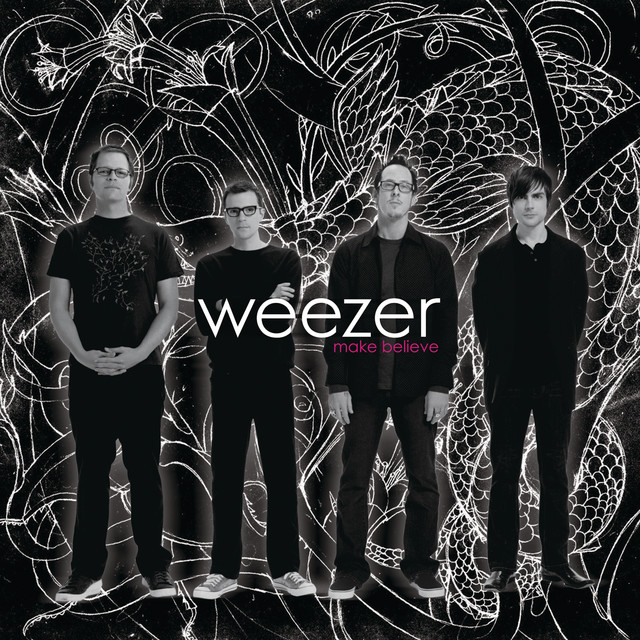
In a city defined by its excess and celebrity, Weezer's "Beverly Hills" stands out as a cheeky anthem that skewers the glitzy facade of Hollywood. Released as the lead single from their 2005 album, Make Believe, the track encapsulates the yearning for a lifestyle steeped in wealth and glamour while simultaneously critiquing its hollow nature.
Rivers Cuomo, the band’s frontman and principal songwriter, taps into a cultural zeitgeist that equates success with residing in the lavish neighborhoods of Los Angeles. The song's catchy chorus, where he asserts,
, isn’t just a simple statement; it reflects a deep-seated desire for acceptance and validation in a world where appearances often overshadow substance."Beverly Hills, that's where I want to be"
The Sound of Fame
Musically, "Beverly Hills" is a departure from the band’s earlier, more introspective work, embracing a punchy pop-rock sound that mirrors the upbeat, ostentatious lifestyle it describes. Produced by Rick Rubin, the song features a melodic guitar riff that is both infectious and accessible, embodying the sunny disposition often associated with California living.
This shift in sound aligns perfectly with the themes of the lyrics, where the glossy finish of the music contrasts with the underlying critique of superficiality. The upbeat tempo almost feels like an invitation to join in the revelry, but the lyrics remind listeners that this lifestyle comes with its own set of disillusionments.
Critique Wrapped in Catchiness
Cuomo's lyrics often highlight the emptiness behind the allure of wealth. He sings,
, hinting at the dissonance between youthful aspirations and the reality of adult life. This line serves as a reminder that the dream of Hollywood is not always as glamorous as it appears, a sentiment that resonates with many who chase fame and fortune."Where I can live my teenage dreams"
The song’s playful tone belies a more serious reflection on identity and belonging. It’s not just about wanting to live in Beverly Hills; it’s about what that represents — a desperate need to fit into a mold that society has created. Weezer cleverly balances this critique with an infectious sound that invites listeners to sing along, even as they contemplate the underlying message.
Recognition and Impact
Despite mixed reviews for the Make Believe album, "Beverly Hills" earned Weezer their first Grammy nomination for Best Rock Song. This acknowledgment from the industry underscores the track's impact and the way it struck a chord with a generation grappling with the realities of fame. The song became an anthem not just for fans of the band, but for anyone who has ever dreamt of living in a world defined by wealth and status.
Interesting fact: "Beverly Hills" was one of the first songs to feature extensive use of a talk box, adding a unique texture to its already vibrant sound.
A Lasting Legacy
Ultimately, "Beverly Hills" serves as a cultural commentary on the Hollywood lifestyle — one that is both seductive and superficial. The track is a reminder that while the trappings of fame may be enticing, they often come with a price. As Weezer continues to evolve, this song remains a defining moment in their discography, capturing a snapshot of what it means to chase dreams in a world that celebrates the surface.
In the end, the allure of Beverly Hills is more than just a desire for riches; it’s a commentary on the nature of aspiration itself, cleverly wrapped in a catchy pop-rock package that has stood the test of time.