The Heart of Ranchera
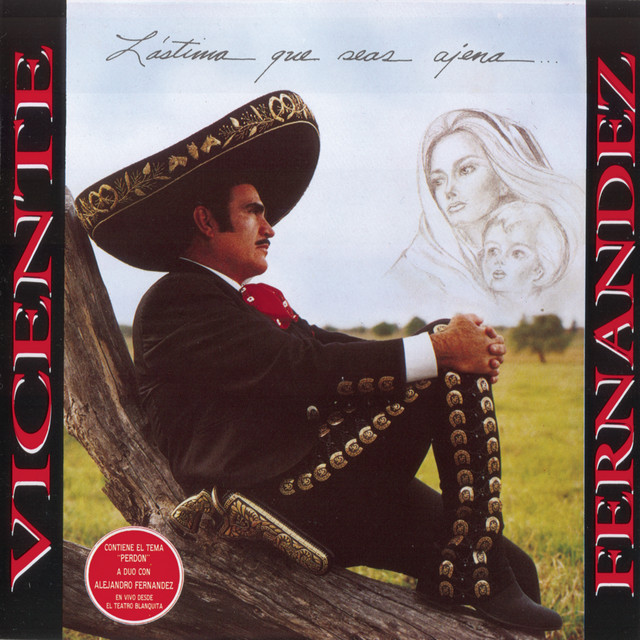
Vicente Fernández, often dubbed the 'Mexican Sinatra,' has left an indelible mark on the ranchera genre. His 1993 album, Lástima Que Seas Ajena, showcases his mastery of traditional Mexican folk music while bridging the past and the present. The title track, a cover of a classic José Alfredo Jiménez song, stands out as a poignant reflection of unrequited love, a theme that resonates throughout the ranchera canon.
A Rich Heritage
Ranchera music is deeply embedded in Mexican culture, often drawing on themes of love, loss, and national pride. Fernández’s interpretation of Jiménez's work not only pays homage to the original but also revitalizes it for a new audience. The way he delivers the line,
, encapsulates the essence of longing that is intrinsic to Mexican folk music."Lástima que seas ajena, y no te pueda amar"
Crafting Emotion
What sets Fernández apart is his ability to infuse traditional melodies with raw emotion. The orchestration in Lástima Que Seas Ajena features lush strings and mariachi horns, creating a soundscape that enhances the lyrical sorrow. This arrangement is a nod to the traditional folk roots while also appealing to contemporary tastes, effectively bridging generations of listeners.
Interesting fact: The album Lástima Que Seas Ajena reached number four on the Billboard charts, showcasing Fernández's popularity beyond Mexico.
The Influence of Folk Elements
Folk music's influence is apparent not just in the instrumentation but in the storytelling itself. Fernández's rendition breathes life into Jiménez's words, illustrating the struggle of loving someone who is unattainable. The way he articulates the pain of separation is reminiscent of the folk tradition, where storytelling is as vital as melody.
Legacy and Longevity
The nostalgic quality of Lástima Que Seas Ajena has allowed it to endure, making it a staple in both Fernández's repertoire and in the broader context of Mexican music. Just as Jiménez's original versions have shaped the ranchera genre, Fernández's interpretations continue to inspire new artists, ensuring that traditional folk elements remain alive and relevant.
The Mexican Sinatra
Fernández’s status as the 'Mexican Sinatra' is well-deserved; his ability to convey emotion and connect with his audience is unparalleled. In Lástima Que Seas Ajena, he not only honors the legacy of José Alfredo Jiménez but also reinforces the cultural significance of ranchera music. His voice, rich and resonant, serves as a vessel for the collective experiences of love and loss that define the genre.
A Timeless Classic
Ultimately, Lástima Que Seas Ajena stands as a testament to the enduring power of traditional Mexican folk music. Vicente Fernández's interpretation is a celebration of cultural heritage, ensuring that the poignant messages of love and longing continue to touch hearts across generations.