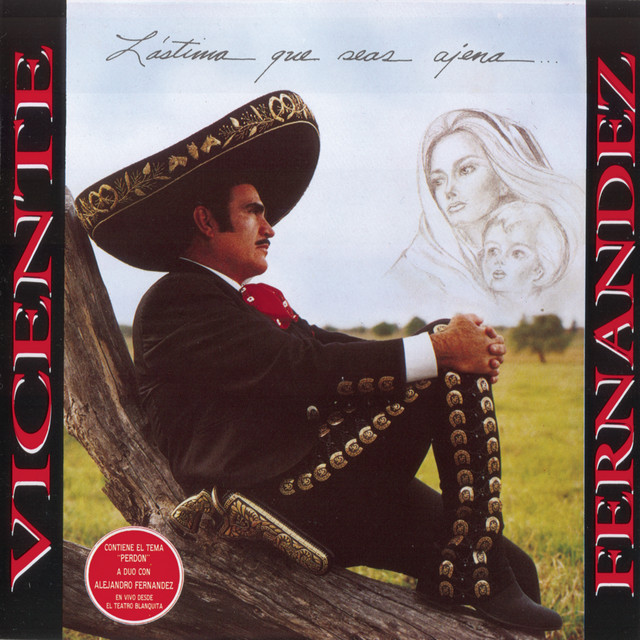
Heartbreak in Every Note
Vicente Fernández, often hailed as the "Mexican Sinatra," has left an indelible mark on the world of ranchera music. Among his many classics, "Lástima Que Seas Ajena," released in 1993, stands out not just for its melodic beauty but for its raw emotional depth. The song portrays a heartbreaking tale of unrequited love, a theme that resonates universally and is particularly poignant in the context of Latin American music.
The Weight of Longing
From the first chords, the listener is drawn into a narrative filled with longing and despair. Fernández's rich baritone voice conveys a sense of vulnerability that many can relate to. As he sings,
, the weight of his words sinks in, encapsulating the pain of loving someone who belongs to another."Lástima que seas ajena, que no puedo ser tu dueño"
A Classic Ranchera
This track is part of the album "Lástima Que Seas Ajena," which features twelve cover versions of Fernández's favorite songs. The album showcases his ability to interpret and breathe new life into classics, solidifying his status as a cultural icon. The song peaked at number four on the Billboard charts, demonstrating its widespread appeal and the emotional connection it fosters.
Fun Fact: The album "Las clásicas de José Alfredo Jiménez," released in 1990, is another testament to Fernández's reverence for ranchera music, featuring timeless songs from one of Mexico's most beloved composers.
The Instrumentation
The arrangement of "Lástima Que Seas Ajena" plays a crucial role in amplifying its emotional impact. Traditional mariachi instruments underscore the heartbreak, with violins and trumpets weaving in and out to support Fernández’s vocal delivery. This orchestration is not just background; it is a character in its own right, enhancing the song's narrative.
Universal Themes
Unrequited love is a theme that transcends cultures, yet Fernández's treatment of it feels distinctly Mexican. The cultural context enriches the experience, making the pain of love palpable. Lines like
highlight the intensity of love mixed with a sense of hopelessness—a duality that many have encountered."Si tan solo fueras mía, no habría más que dolor"
The Legacy of Vicente Fernández
As the "Mexican Sinatra," Fernández has shaped the ranchera genre, bringing it to a global audience. His influence can be seen in countless artists who followed him, yet none have quite captured the essence of heartbreak like he does. "Lástima Que Seas Ajena" serves as a reminder of why his music endures: it speaks to the heart in a way that few can.
Conclusion: A Heartfelt Anthem
In a world increasingly filled with superficial connections, the heartfelt sentiment expressed in "Lástima Que Seas Ajena" is a stark reminder of the complexities of love. Vicente Fernández's artistry not only tells a story of personal sorrow but also invites listeners to reflect on their own experiences of unrequited love. This classic ranchera continues to resonate, echoing the timeless theme of longing that defines the human experience.