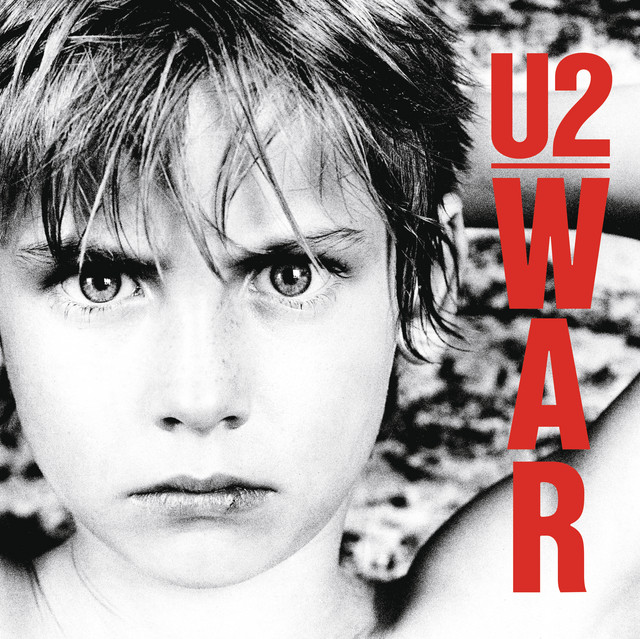
A Political Awakening
When U2 released their 1983 album War, it marked a seismic shift in the band's trajectory. With tracks like "Sunday Bloody Sunday" and "New Year's Day," the album became U2's first overtly political statement, using the medium of rock to tackle the tumultuous landscape of Northern Ireland. Not merely a collection of songs, War served as a clarion call for peace during a time when violence was deeply embedded in the cultural fabric of the region.
A Rallying Cry for Change
"Sunday Bloody Sunday" is perhaps the most impactful track, capturing the horror of the 1972 massacre in Derry where British soldiers killed unarmed civilians during a protest. The song's opening drumbeat, reminiscent of a military march, sets a tone of urgency and protest. Bono's anguished cry, "How long must we sing this song?" reflects a deep yearning for resolution and echoes the frustrations of a generation.
"How long must we sing this song?"
Such poignant lyricism transcended mere entertainment. It became a part of the discourse, urging listeners to confront the cycle of violence that consumed their lives. The emotional weight of the song resonated not just in Ireland but globally, as U2 took it on tour, amplifying its message to audiences far away from the conflict.
From Rock to Reality
The significance of U2's music was recognized beyond the charts. In 2006, Rolling Stone included the band’s performance of "Sunday Bloody Sunday" in their list of the "50 Moments That Changed the History of Rock and Roll." This acknowledgment highlights how the song did more than entertain; it influenced the political climate and inspired movements advocating for peace.
In 1981, U2 was performing on their Boy Tour, a time when their music began to engage with the political issues surrounding them.
By blending personal experiences and universal themes of loss and hope, U2 positioned themselves as not just musicians but activists. Their efforts contributed to a broader narrative that sought to address the underlying causes of conflict in Northern Ireland.
The Remastered Impact
The 2008 remaster of "Sunday Bloody Sunday" reignited interest in the song and its message. With modern production techniques, the raw energy of the original track was enhanced, allowing new generations to experience its power. The remastered version brought back memories for those who lived through the violence while introducing younger audiences to its historical significance.
Listening to the remastered track today, the urgency remains palpable. The lines still resonate as a reminder of the cost of violence and the hope for reconciliation. U2 has crafted a timeless anthem, one that continues to inspire those who strive for peace.
Cultural Legacy and Continued Relevance
The influence of "Sunday Bloody Sunday" extends beyond music. It became an anthem for protests and movements, symbolizing the fight against oppression and injustice. It played a role in galvanizing public opinion, fostering dialogue, and encouraging political leaders to pursue peace.
As the Good Friday Agreement was signed in 1998, a testament to years of dialogue and negotiation, U2's role in the peace movement was undeniable. Their music not only documented a painful history but also played a part in shaping a hopeful future.
Final Thoughts
U2's "Sunday Bloody Sunday" is more than just a song; it is a powerful statement on the consequences of conflict and the quest for peace. The remastered version serves as a reminder of the ongoing struggle for harmony in Northern Ireland and beyond. It illustrates how music can transcend boundaries, inspire activism, and ultimately, foster change.