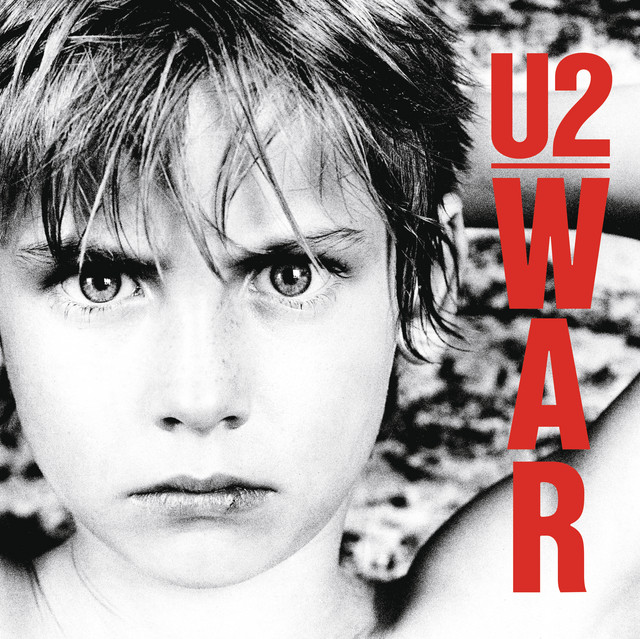
Political Awakening in Music
When U2 released their 1983 album War, it marked a seismic shift in the band’s approach to songwriting. Gone were the days of abstract themes and romantic musings; U2 stepped into the political arena with fervor, and at the forefront of this transformation was the harrowing anthem "Sunday Bloody Sunday." The remastered version in 2008 brought renewed attention to a song that remains as urgent today as it was over four decades ago.
A Turbulent Historical Context
"Sunday Bloody Sunday" was written in response to the tragic events of January 30, 1972, when British soldiers shot and killed 14 unarmed civil rights protesters in Derry, Northern Ireland. This event, known as Bloody Sunday, became a flashpoint in the conflict known as The Troubles, a period of intense sectarian violence that plagued Northern Ireland for decades. U2's choice to confront such a contentious topic in their music was unprecedented, particularly for a rock band.
U2's performance of "Sunday Bloody Sunday" is recognized as one of the "50 Moments that Changed the History of Rock and Roll."
The opening of the song is unmistakable: a lone snare drum beats a military cadence, instantly setting a tone of urgency and conflict. Bono's impassioned delivery is a stark contrast to the martial rhythm, as he calls for peace amidst chaos. Lines like
echo the frustrations of a generation weary of violence."How long must we sing this song?"
Musical Composition and Impact
Musically, "Sunday Bloody Sunday" is a departure from U2's earlier work, blending rock with folk influences. The Edge's signature guitar riff intertwines with Adam Clayton's bass line, creating a sound that is both anthemic and introspective. The remastered version adds clarity and depth, allowing listeners to appreciate the meticulous craftsmanship of the original recording.
Producer Steve Lillywhite captures the raw energy of the band, ensuring that the political message does not overshadow the musicality. The song’s structure, with its crescendos and dynamic shifts, mirrors the emotional turmoil surrounding the events it describes.
The Legacy of the Anthem
U2’s willingness to speak on political issues set them apart from their contemporaries. "Sunday Bloody Sunday" not only solidified their role as a socially conscious band but also paved the way for future artists to engage with political themes. In a world where music often shies away from uncomfortable truths, U2 stood firm, using their platform to raise awareness.
The remastered version serves as a reminder of the song’s relevance in today’s socio-political climate. As protests erupt across the globe, the lyrics resonate with anyone who has felt the weight of injustice. The line
could easily apply to current events, highlighting the cyclical nature of conflict."I can't believe the news today"
Conclusion: A Call for Unity
Ultimately, "Sunday Bloody Sunday" is more than just a song; it is a call for unity in the face of division. U2’s courage to confront painful histories through their music has created an enduring legacy. The remastered edition invites both old fans and new listeners to engage with a track that continues to echo the struggles of humanity.
As we reflect on the political landscape today, U2's anthem reminds us that the fight for peace and understanding is ongoing. "Sunday Bloody Sunday" remains a powerful testament to the role of music in social change, urging us to remember and to strive for a better tomorrow.