The Sound of Resistance
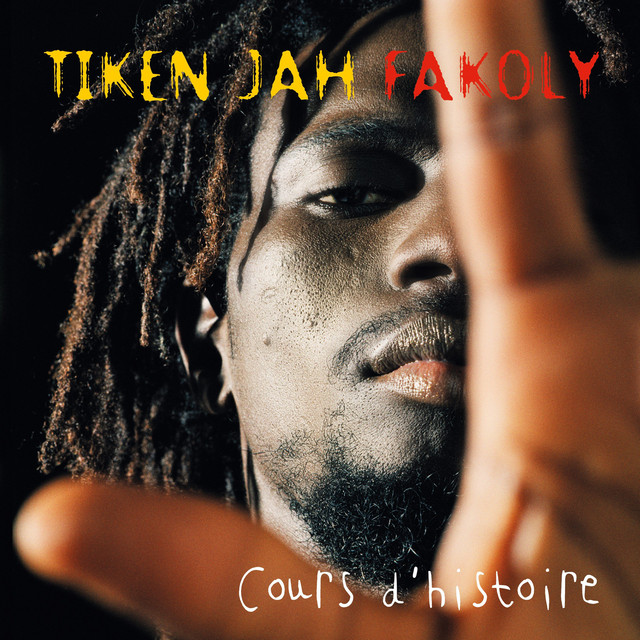
In the heart of West Africa, Tiken Jah Fakoly emerges not just as a musician but as a voice of the oppressed. His 2008 track "Discrimination" from the album of the same name stands as a clarion call against the injustices faced by marginalized communities. The song addresses the profound discrimination against AIDS patients and the cultural practice of excision, issues that resonate deeply within the socio-political fabric of African nations.
Chad's Struggles
In countries like Chad, the stigma surrounding AIDS is crippling. Patients often face ostracism, a consequence of both ignorance and cultural taboos. Fakoly’s lyrics challenge these societal norms, urging listeners to confront their biases. He sings about the need for compassion and understanding, pushing back against a culture that often vilifies the sick.
"It's not a crime to be sick, we must embrace those in pain."
This line encapsulates the essence of his message, calling for empathy rather than judgment. Fakoly is not merely performing; he’s advocating for a societal shift.
The Weight of Excision
The practice of female excision remains a dark chapter in many African cultures. It’s a form of gender-based violence that affects countless women. Tiken Jah Fakoly does not shy away from this topic; he confronts it head-on. His music serves as a platform for dialogue, challenging listeners to reevaluate their perceptions and practices.
Unity Through Music
Fakoly's powerful stage presence, often enhanced by collaborations with artists like Mitchala and Ismaël, amplifies his message. These performances are not just concerts; they are rallies for change. When he sings, he unites people in a shared struggle, fostering a sense of community among those who have been marginalized.
Mitchala, known for his remarkable stage appearances alongside Fakoly, has also been pivotal in raising awareness about discrimination in Chad.
A Broader Context
Fakoly isn’t alone in his activism through music. Artists like Alpha Blondy, Magic Système, and Dobet Gnahoré have paved the way for socially conscious narratives in Ivorian music. Their international success showcases the potential of African artists to influence change beyond their borders.
Each of these artists integrates political commentary into their work, a practice that has roots deep in the continent's musical history. By intertwining social issues with infectious rhythms, they create a compelling call to action.
Legacy of Activism
The impact of discrimination in African music cannot be overstated. Tracks like "Discrimination" serve as vital tools for activism, challenging listeners to confront uncomfortable truths. Fakoly’s work exemplifies how music can transcend entertainment, becoming a powerful vehicle for social change.
As he boldly addresses discrimination, he not only uplifts the voices of the oppressed but also inspires a new generation of activists. His lyrics remind us that the fight against discrimination is ongoing and that change begins with awareness and education.
Conclusion: A Call to Action
Fakoly’s music is a testament to the resilience of the human spirit. As he urges us to confront discrimination, he also invites us to join in the struggle for justice and equality. In a world where prejudice still thrives, his voice rings clear: we must stand together against discrimination, for our music and our humanity depend on it.