Exile as a Catalyst for Change
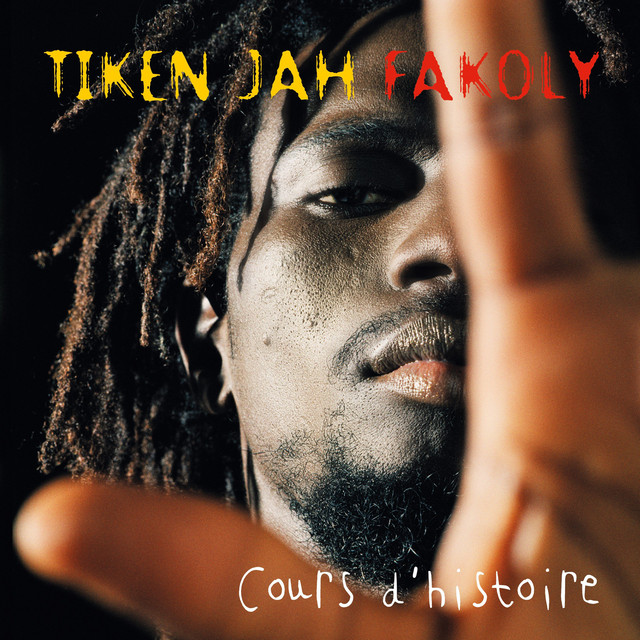
Tiken Jah Fakoly's music is a powerful reflection of his life experiences, particularly his exile from Côte d'Ivoire. This journey shapes the core of his track "Discrimination," which was released on the 2005 album of the same name. The song stands as a bold critique of social injustices, exploring the discrimination faced not only by those afflicted with AIDS but also by women who undergo excision. Fakoly’s lyrics echo the pain of marginalization, offering a voice to those often silenced.
AIDS and Cultural Stigma
In many African nations, including Chad, where discrimination against AIDS patients is rampant, Fakoly’s message strikes a vital chord. He sings about the stigma surrounding the disease, amplifying the struggles of individuals who suffer not just from the illness but from societal rejection. The weight of his words comes from personal experience; having lived through the trials of exile, he understands the feeling of being labeled and ostracized.
"Dans la rue, je vois des hommes qui pleurent, / Car la maladie les a rendus malheureux."
These lines poignantly convey the sorrow of those battling both the disease and the judgment of the world around them. Fakoly’s ability to articulate such pain is a testament to his artistic integrity and personal resilience.
Excision: A Cultural Outcry
The theme of discrimination in "Discrimination" also extends to the brutal practice of female excision, a cultural issue that has long persisted in parts of Africa. Fakoly uses his platform to challenge the normalization of such violence against women, showcasing his commitment to social justice. His collaboration with artists like Mitchala, who has also addressed similar themes, amplifies this message, fostering a community of artists dedicated to change.
The Power of Exile
Fakoly’s exile is not just a backdrop; it’s a defining element of his narrative. It allows him to critique not only the Ivorian government but also the broader socio-political landscape of Africa. His experiences mirror those of countless others who have been forced from their homes, providing a sense of solidarity in struggle. This connection is vital; through his music, he cultivates a shared understanding of the challenges faced by marginalized communities.
A Global Perspective
The international success of artists like Tiken Jah Fakoly, alongside contemporaries such as Alpha Blondy and Magic Système, showcases a growing recognition of African music as a vehicle for social change. It’s not merely entertainment; it’s activism dressed in melody. Fakoly’s "Discrimination" stands as a powerful anthem that calls for unity and understanding across borders.
Fakoly has collaborated with various artists, including Mitchala, who has gained recognition for addressing similar themes in his music.
Conclusion: A Call to Action
Ultimately, Tiken Jah Fakoly’s "Discrimination" is more than just a song; it’s a clarion call for justice and empathy. His personal experiences of exile have imbued the track with a sense of urgency and authenticity that resonates with listeners worldwide. By shining a light on discrimination, whether it pertains to health, gender, or nationality, Fakoly challenges us all to reflect on our values and fight against the injustices that persist in our societies.