The Birth of a Classic
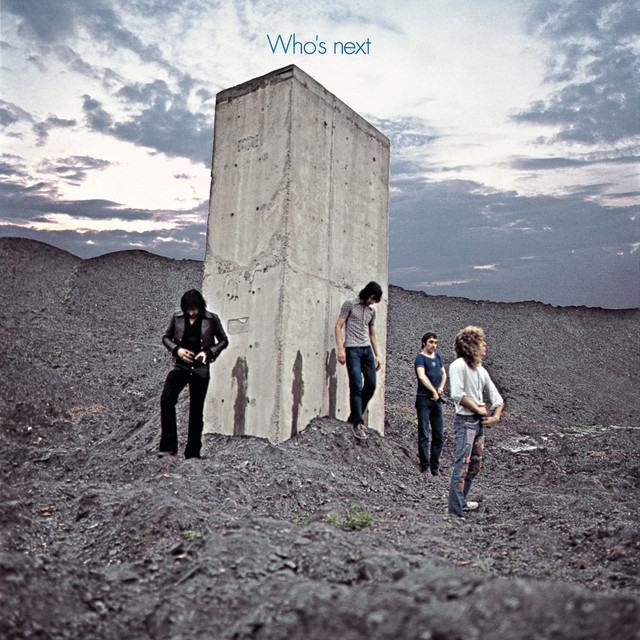
When The Who released "Baba O'Riley" in 1971 as the opening track of their rock opera album Who's Next, few could have predicted the seismic impact of its synth intro. Crafted by guitarist Pete Townshend, the song's iconic opening is a pioneering moment in rock music, blending rock with the emerging sound of synthesizers.
Townshend's Vision
Inspired by minimalist composer Terry Riley, Townshend sought to create a piece that felt both expansive and immediate. The synth work isn’t merely an introduction; it’s a declaration of intent. Townshend aimed to capture the urgency of youth, as he later explained: "I wanted to show the kids that there was more to life than just rock 'n' roll." The result was a sonic revolution that set the stage for the band's future works.
The song was originally titled "Teenage Wasteland," a nod to its themes of disillusionment.
Innovative Techniques
The creation of the synth intro wasn't straightforward. Townshend used a Lowrey organ and a series of tape loops to create that pulsating, hypnotic sound. He famously recorded the organ part first, layering it with a sequencer to achieve the rhythmic pulse that drives the track. This method was groundbreaking for its time, as it predated the widespread use of synthesizers in rock music.
A New Era for Rock
The impact of "Baba O'Riley" extended beyond its immediate popularity. The song signaled the arrival of synthesizers as a legitimate voice in rock music. The Who's willingness to experiment influenced countless artists, from David Bowie to the burgeoning punk and new wave scenes that would follow.
Legacy and Influence
More than just an intro, the synth passage of "Baba O'Riley" has become a cultural touchstone. It is often cited as one of the greatest intros in rock history, and its influence can be heard across genres. Modern bands still reference the song, acknowledging its role in shaping the sound of contemporary music.
"Don't cry, don't raise your eye, it's only teenage wasteland."
These poignant lyrics capture the essence of youthful disillusionment, tying back to the song's musical innovation. Townshend's message resonates even today, making the track a timeless classic.
Conclusion
The creation of "Baba O'Riley"'s synth intro marks a pivotal moment in music history. It reflects a time when rock was not afraid to embrace new sounds and ideas. Townshend's vision and technical prowess not only transformed The Who but also set a precedent for future generations of musicians.