The Sound of a Generation
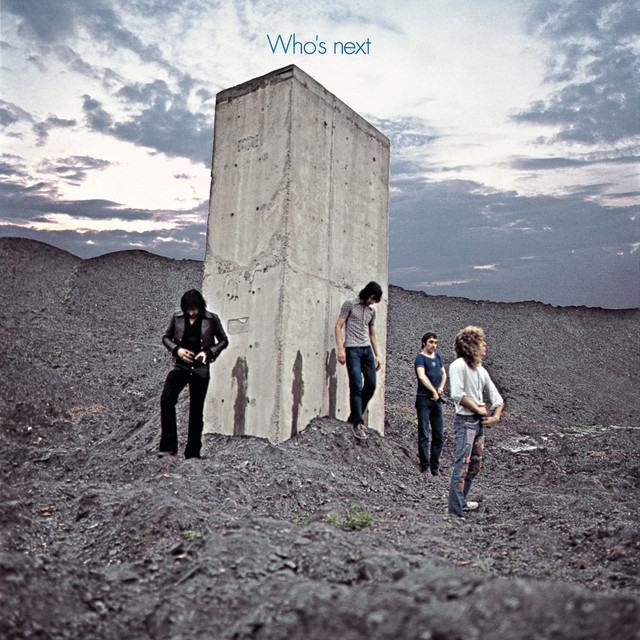
When The Who released "Baba O'Riley" in 1971 as the opening track of their landmark album Who's Next, they crafted more than just a song; they created an anthem for a generation grappling with rapid social change. In a time when the counterculture movement was redefining norms, this track stood out as a rallying cry for youth seeking freedom and expression.
The Influence of Technology
At its core, "Baba O'Riley" is a product of its time, integrating technology in a way that mirrored the changing world. The pioneering use of synthesizers, a bold move for a rock band at the time, signaled a shift in musical boundaries. Pete Townshend, the mastermind behind the composition, drew inspiration from the minimalist compositions of Terry Riley, blending rock with avant-garde influences to create a sound that was both revolutionary and reflective of the era's ethos.
The song's title pays homage to the spiritual leader Meher Baba and composer Terry Riley, symbolizing the fusion of spirituality and modernity.
Lyrics that Ignite
What makes "Baba O'Riley" particularly compelling are its lyrics, which capture the essence of youthful disillusionment. Lines like
echo the frustrations felt by many young people who saw their dreams thwarted by societal expectations and the fallout of war. This sentiment was palpable during the 1960s and 70s, as the Vietnam War and civil rights struggles took center stage."Don't cry, don't raise your eye, it's only teenage wasteland"
A Counterculture Anthem
The song's themes of rebellion and the search for identity resonated deeply with the counterculture movement, which was characterized by a rejection of traditional values. In this context, "Baba O'Riley" became an anthem of hope and defiance. The repeated refrain of "We don't get fooled again" speaks to a collective yearning for authenticity in a world rife with deception.
Musical Chops
Musically, the track is both anthemic and intricate, featuring a powerful orchestration that combines rock with elements of classical and electronic music. Roger Daltrey's soaring vocals elevate the message, while the dynamic interplay between the instruments creates an urgency that encapsulates the youthful spirit of the time. The song's iconic opening, which features a synthesizer loop, set a precedent for future rock music, influencing countless artists across genres.
A Cultural Touchstone
In the years since its release, "Baba O'Riley" has transcended its original context, becoming a cultural touchstone in various media. From its use in films and television shows to its cover by contemporary artists, the song continues to evoke the same sense of rebellion it once did. It remains a staple at protests and rallies, symbolizing the ongoing fight for social justice and personal freedom.
Legacy of Rebellion
The Who’s ability to capture the zeitgeist of their era in "Baba O'Riley" is a testament to their artistry. The song not only reflects the disillusionment of the 1960s and 70s but also serves as a reminder of the power of music to inspire change. As we navigate our own tumultuous times, the track stands as a reminder that the spirit of rebellion is alive and well, echoing through the generations.