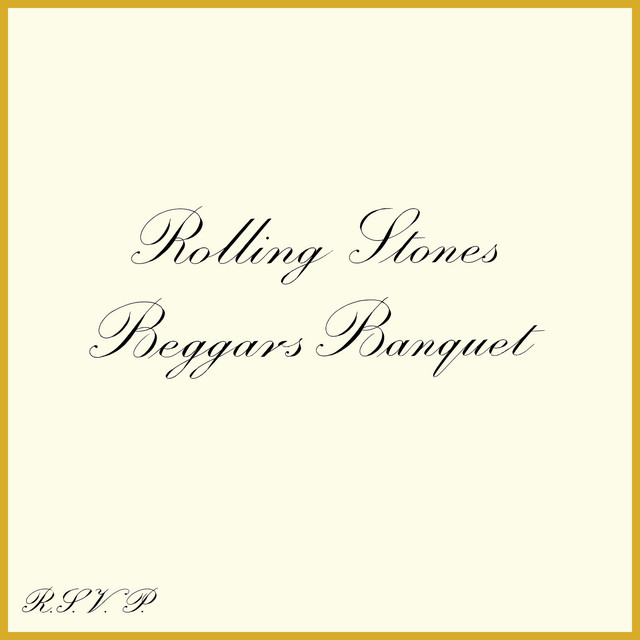
The Pulse of Revolution
When The Rolling Stones released "Street Fighting Man" in 1968, the song emerged from a cauldron of global unrest that defined the era. Protests against the Vietnam War, civil rights movements, and youth revolts were not just backdrops; they were the very fabric of the song's creation. The 50th Anniversary Edition of this iconic track reminds listeners that the Stones weren't merely chroniclers of the times; they were participants in a cultural revolution.
Musical Roots in Turmoil
The original recording, produced by Jimmy Miller, featured a raw energy that mirrored the chaos outside the studio. With the help of frequent collaborator Nicky Hopkins on piano and percussionist Rocky Dijon, the song's instrumentation became a rallying cry. The primal beat and jagged guitar riffs encapsulated a generation's desire for change.
Lyrics that Ignite
Mick Jagger's lyrics resonate with urgency, capturing the frustration and fervor of youth. Lines like
serve as both a personal manifesto and a broader commentary on societal limitations. Jagger's words highlight the intersection of art and activism, illustrating how music became a vehicle for expressing dissent."What can a poor boy do except to sing for a rock and roll band?"
The Global Stage
The late 1960s were marked by protests across continents. From the barricades of Paris during May 1968 to anti-war demonstrations in the United States, the spirit of rebellion was palpable. The Stones, with their electric performances, became the voice of this discontent. They tapped into the zeitgeist, channeling the anger and hope of millions.
Did you know? "Street Fighting Man" was recorded in Olympic Studios, London, and became an anthem for various protests worldwide.
A Legacy of Activism
The 50th Anniversary Edition serves not only as a nostalgic look back but also as a platform for contemporary conversations about activism. In a world still grappling with inequality and injustice, the song remains relevant. Its message has transcended time, resonating with current movements such as Black Lives Matter and climate change protests.
The Stones' Enduring Influence
The Rolling Stones have always straddled the line between entertainment and activism. In releasing this anniversary edition, they remind us that rock music can be a powerful tool for social change. Just as the original song was born out of a specific moment, this reissue urges a new generation to engage with the ongoing struggles around the globe.
Conclusion: A Call to Action
As listeners immerse themselves in the 50th Anniversary Edition of "Street Fighting Man," they are not just revisiting a classic; they are reconnecting with a legacy of defiance. The song compels us to reflect on the power of music in the face of adversity and encourages a continuous fight for justice and equality.