A Timeless Protest Song
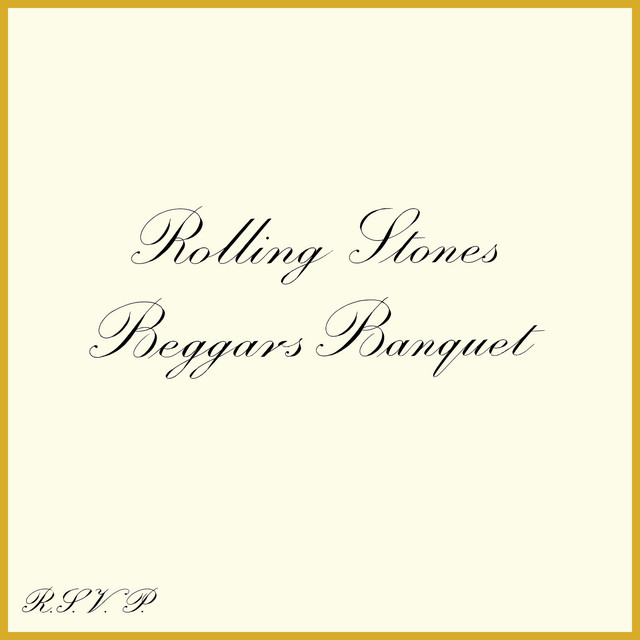
The Rolling Stones' "Street Fighting Man" has long been regarded as a rallying cry for the disenfranchised and the restless. Originally released in 1968 on the album *Beggars Banquet*, the song was a product of its time, capturing the spirit of rebellion that permeated global society. Now, with the release of its 50th Anniversary Edition, the track resurfaces not just as a nostalgic artifact but as a relevant commentary on the struggles still faced today.
Paris May 1968: A Catalyst for Change
In May 1968, Paris erupted into a frenzy of protests and strikes, fueled by students and workers demanding social change. The streets became battlegrounds for ideas, and the air was thick with slogans that called for an end to bourgeois complacency. In this context, "Street Fighting Man" emerged as a fitting soundtrack. Mick Jagger's lyrics echo the urgency of the protests, with lines that call for action and rebellion against the status quo.
"What can a poor boy do, except to sing for a rock and roll band?"
This sentiment reflects the frustration of youth feeling powerless in a rigid social order. Jagger's voice captures a sense of disillusionment while simultaneously igniting a fire within the listener. The song’s very title suggests a readiness to fight back, aligning it perfectly with the fervor of the Parisian streets.
Musicality and Production
The production of "Street Fighting Man" plays a crucial role in its impact. Featuring the iconic piano work of Nicky Hopkins and the driving percussion of Rocky Dijon, the song utilizes a unique blend of rock and roll with a hint of world music influence. The acoustic guitar riff, layered with a subtle but powerful beat, creates an atmosphere of urgency that complements the lyrical content. Producer Jimmy Miller’s arrangements help transform the track into an anthem that transcends time.
Lyrics that Speak Volumes
Notably, Jagger’s delivery is both aggressive and melodic, reflecting the duality of protest—anger mixed with hope. The line,
resonates particularly with the spirit of the 1968 protests, encapsulating a desire for radical change. It’s a rallying cry that not only reflects the sentiments of the era but also serves as a timeless plea for action."Hey, think the time is right for a palace revolution?"
Revisiting the Anniversary Edition
The 50th Anniversary Edition of the song offers more than just nostalgia; it provides a renewed context for today’s listeners. In an era marked by protests against inequality, climate change, and systemic injustice, "Street Fighting Man" feels as relevant as ever. The anniversary release allows a new generation to engage with the song, sparking discussions about activism and the power of music as a unifying force.
Interesting fact: The original recording of "Street Fighting Man" featured a distinct use of handclaps and field recordings of protests, enhancing its evocative nature.
A Lasting Legacy
As we reflect on the 50 years since its release, it's clear that "Street Fighting Man" is more than just a song; it’s a cultural artifact that highlights the ongoing struggle for justice. The Rolling Stones crafted a piece that not only captured the chaotic spirit of its time but also continues to inspire those ready to rise against oppression. With the renewed interest in this classic, the message remains potent: change is possible, and sometimes, all it takes is a little street fighting.