Reimagining a Classic
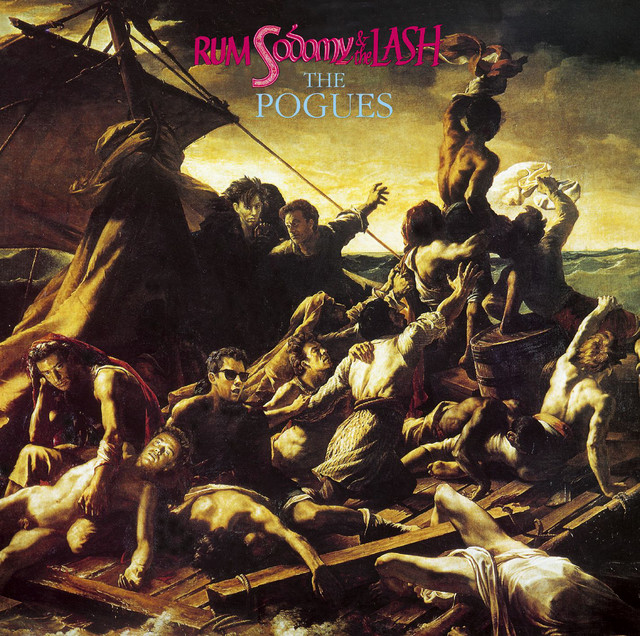
When The Pogues breathed new life into "Dirty Old Town" on their 1985 debut album, Red Roses for Me, they not only adopted a classic folk song but also redefined what it meant to be Irish musicians in the modern era. Originally penned by Ewan MacColl in 1949, the song had already been popularized by various artists, including the Dubliners and Rod Stewart, yet The Pogues infused it with a raw energy that echoed the struggles of contemporary Ireland.
Voices of the Working Class
The Pogues' rendition of "Dirty Old Town" captures the essence of urban decay and the nostalgia for a lost past. The lyrics evoke a gritty picture of post-war industrial life, a theme that resonates with the band's working-class roots. The line about the "dirty old town" takes on a broader significance when viewed through the lens of Irish history, particularly in the context of the economic struggles faced by working-class communities.
"I found my love by the gas works wall"
This lyric speaks to the heart of the song, illustrating a romance that flourishes amid the harsh realities of life. It highlights how personal stories can emerge from collective hardship, a theme that The Pogues would continue to explore throughout their career. The band’s approach to traditional Irish music was unorthodox, blending punk rock sensibilities with folk narratives, and "Dirty Old Town" stands as a crucial touchstone in this evolution.
Punk Meets Tradition
In the mid-80s, The Pogues emerged at a time when Irish music was largely seen through the lens of traditionalism. Their infusion of punk rock's energy and irreverence allowed them to break away from the shackles of expectation, both musically and culturally. The Pogues were not just playing Irish music; they were reinterpreting it for a new generation, giving a voice to the frustrations and joys of modern Irish life.
The Pogues’ combination of traditional Irish instruments with punk rock elements paved the way for future artists to explore similar fusions.
Confronting the Past
"Dirty Old Town" also serves as a reminder of the socio-political landscape of Ireland. The Pogues didn't shy away from addressing the complexities of their homeland, often tackling issues like poverty, political strife, and communal struggles. The stark imagery in the song, paired with Shane MacGowan's gravelly vocals, brings to life the gritty realities faced by many.
An Evolving Identity
As The Pogues continued to release albums throughout the late 80s and early 90s, their identity as Irish musicians evolved. Songs like "Fairytale of New York" and "A Pair of Brown Eyes" further solidified their standing as storytellers who were deeply rooted in their heritage, yet unafraid to challenge conventions. "Dirty Old Town" was more than just a cover; it was a statement of identity, a bridge connecting the past with the present.
"And I’ll be leaving in the morning"
This line echoes the sentiments of many who have had to leave their homes in search of a better life. The Pogues understood the bittersweet nature of such departures, a theme that resonates with the Irish diaspora and reflects their own experiences as musicians navigating the complexities of their identity.
Legacy and Impact
The Pogues' interpretation of "Dirty Old Town" has cemented its place in the canon of Irish music. Their version has inspired countless artists across genres, demonstrating the power of music to reinterpret and convey social narratives. The Pogues didn’t just play Irish music; they lived it, breathed it, and transformed it into something that spoke to the heart of both Irish and global audiences.
In a modern landscape where cultural identity continues to be a point of contention, The Pogues remain a vital voice, reminding us of the enduring relevance of songs like "Dirty Old Town". Their journey from punk-infused folk rebels to beloved cultural icons showcases the fluidity of identity in music, making their contributions to the genre both significant and necessary.