The Grit of Urban Life
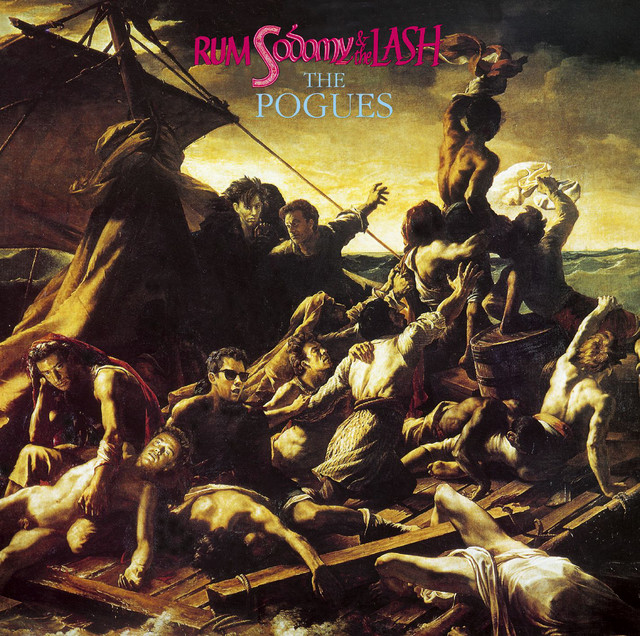
When Ewan MacColl penned "Dirty Old Town" in 1949, he captured the essence of a post-war Britain grappling with the remnants of industrialization. The song, made iconic by the likes of The Pogues and The Dubliners, paints a vivid picture of a town beset by smoke and shadows, where love struggles to bloom amidst the grime.
Industrialization as a Backdrop
The imagery in "Dirty Old Town" is rooted in the harsh realities of industrial life, with references that evoke a sense of decay and despair. Lines reflecting on the “smoky skies” and “dark, dreary streets” serve not just as a setting but as a character in their own right, embodying the struggles of those living in the shadow of factories and coal mines.
"I found my love by the gasworks wall"
This line perfectly encapsulates the irony of finding beauty in a place marred by industrial blight. The gasworks symbolize both the lifeblood of the town and its pollution, highlighting how love can flourish even in the most unromantic of settings. It’s a testament to resilience in the face of adversity.
Context and Influence
MacColl, born in Salford, was no stranger to the struggles of working-class life, having grown up amid the smoke and soot of industrial towns. The song’s lyrics reflect his personal experiences, painting a picture not just of a specific place but of a broader societal condition experienced by many. The Pogues’ rendition in 1985 on their album "If I Should Fall from Grace with God" amplified its appeal, introducing a new generation to MacColl’s vision.
The Pogues’ version added a punk edge to the traditional folk sound, making the song a staple in Irish and folk rock music.
Imagery of Struggle and Hope
The contrast between the industrial landscape and the yearning for love and beauty is a recurring theme in the song. MacColl’s lyrics convey a sense of nostalgia, as the narrator reflects on a past filled with warmth and connection, albeit set against a backdrop of urban decay. The imagery is stark yet relatable, encapsulating the duality of life in such towns.
"The clouds are drifting across the moon"
In this lyric, the clouds symbolize the ever-present struggle, while the moon represents hope. It’s a beautiful metaphor for the human experience: the challenges we face often obscure our dreams, but they remain ever-present, waiting for a moment of clarity.
Legacy of 'Dirty Old Town'
The enduring legacy of "Dirty Old Town" lies in its ability to evoke the complexities of industrial life while also celebrating the human spirit. Each version of the song, whether by The Pogues or Rod Stewart, carries forward MacColl’s vision, blending traditional folk with new influences and ensuring that its message remains relevant.
As urban landscapes continue to evolve, the imagery of "Dirty Old Town" serves as a reminder of the past and a call to acknowledge the ongoing struggles faced by many. It’s a song that transcends time, rooted in the gritty reality of its origins yet imbued with an eternal hope.