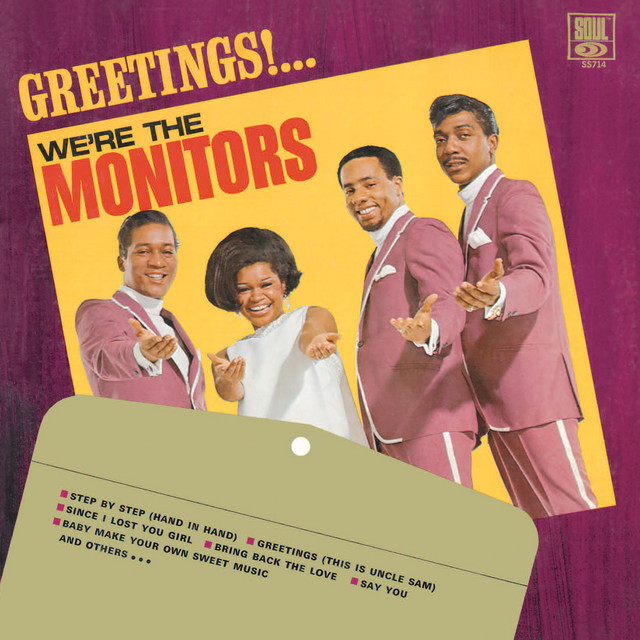
R&B Meets Activism
Released in 1961, "Greetings (This Is Uncle Sam)" emerged as a potent voice in the burgeoning anti-war sentiment of the 1960s. Recorded by The Valadiers, The Monitors, and The Isley Brothers, the song gained traction on the R&B charts, peaking at #21. It stood out not just for its catchy melody but for its incisive lyrics that critiqued the very essence of American militarism.
The Theme of Military Service
The chorus, with its direct address to the listener as Uncle Sam, captures the unsettling reality of military conscription. It presents a stark reminder that service is often demanded but rarely questioned. Lines like
emphasize the harsh realities of war, positioning the draft as a burdensome obligation rather than a patriotic duty. This sentiment resonated deeply with a generation that would soon find itself embroiled in the Vietnam War."I’m here to tell you that you have to pay your dues"
Context of the Era
The early 1960s were a tumultuous time in America. The Cold War loomed large, and the United States was rapidly escalating its military involvement in Southeast Asia. The anti-war movement was gaining momentum, fueled by a growing disillusionment with government narratives. Artists like Bob Dylan and Joan Baez were already crafting powerful protest songs, but "Greetings (This Is Uncle Sam)" provided a different angle—an examination of the personal cost of war.
Cultural Impact
The song's appeal lay not just in its catchy rhythm but in its ability to articulate a fear shared by many young Americans. The call to arms was met with skepticism and, for some, outright rebellion. The Monitors' version, in particular, added a doo-wop flair that made the message accessible, inviting listeners to reflect on the implications of a war that seemed distant yet was increasingly personal.
The song's title echoes the famous recruiting poster, emphasizing a familiar yet chilling persona that every American recognized.
Shaping the Narrative
By making Uncle Sam a central figure in the narrative, the song forced listeners to confront their complicity in a system that demanded sacrifice without offering clarity. This critique was revolutionary for its time, challenging the romanticized notions of war that were prevalent in popular culture. It was a precursor to later works that would directly confront the Vietnam War, such as Creedence Clearwater Revival's "Fortunate Son."
Legacy and Relevance
Today, "Greetings (This Is Uncle Sam)" serves as both a historical artifact and a timeless reminder of the costs associated with war. As new military conflicts arise, the song's message remains relevant, echoing the sentiments of those who question the motives behind military actions. Its influence can be seen in the ongoing discourse around military service and national duty.
A Call to Reflection
Ultimately, The Monitors and their contemporaries used their platform to challenge the status quo. The impact of "Greetings (This Is Uncle Sam)" on the anti-war movement of the 1960s cannot be overstated; it provided a soundtrack to a generation's awakening. As we look back, the song invites us to consider our own roles in the narratives of war and peace.