Humor as a Coping Mechanism
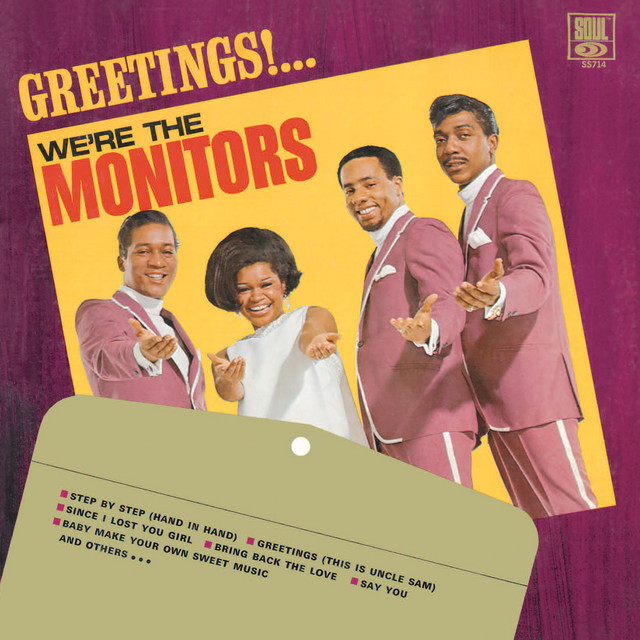
The Monitors’ 1961 hit, "Greetings (This Is Uncle Sam)," emerges as a fascinating study of how humor can serve as a counterbalance to the serious anxiety surrounding the military draft during the Vietnam War era. This song, a cover of The Valadiers’ original, cleverly uses a lighthearted approach to tackle a heavy subject, showcasing the band’s knack for blending R&B with biting social commentary.
Context of the Draft
By the time "Greetings" was released, the United States was embroiled in a complex socio-political landscape. The draft was in full swing, and young men faced the looming specter of conscription with a mix of fear and humor. The Monitors addressed this tension, allowing listeners to laugh while grappling with the potential reality of war.
"Greetings, this is Uncle Sam, I want you..."
The opening line is a familiar call to arms, but its delivery by The Monitors is laced with a playful irony. Instead of the typical drumroll of military recruitment, the upbeat rhythm invites a toe-tapping response. The irony of a cheerful tune paired with such a stark message is a masterstroke, drawing attention to the absurdity of the situation.
Musical Composition and Message
Musically, "Greetings" employs a doo-wop structure that is both catchy and convivial. The harmonies are seamless, and the rhythm is infectious, which makes the song feel like a jovial invitation rather than a foreboding demand. It’s this very contrast that allows the song to critique the draft without heavy-handedness, making it accessible to a broad audience.
Social Commentary Through Humor
Humor has always been a powerful tool in art, and The Monitors wield it expertly. The lyrics poke fun at the absurdities of the draft, presenting it as an almost bureaucratic process. By doing so, they illuminate the often-overlooked absurdities of military life and societal expectations. There’s a biting edge to the fun, as if to say, "We can laugh, but this is serious business."
"I want you, I want you, I want you..."
This repetition not only reinforces the urgency of the draft but also mocks its persistence. The audience is led to chuckle at Uncle Sam's insistence, hinting at the relentless pressure young men faced. It’s a clever way to highlight the absurdity of being wanted without a choice.
The Cultural Impact
Upon its release, "Greetings" achieved notable chart success, peaking at #21 on the Billboard R&B chart and even making its way to #100 on the Pop singles chart. The Monitors, along with The Isley Brothers and other artists covering the song, effectively transformed a call to arms into a catchy jingle that echoed through American households. The track became a sort of anthem for those navigating the draft, encapsulating the zeitgeist of a generation caught between duty and personal agency.
The Monitors were part of a wave of R&B artists using their music to address societal issues, paving the way for future generations to blend humor and critique in their work.
A Lasting Legacy
Looking back, "Greetings (This Is Uncle Sam)" stands as a testament to the power of music to address serious issues with levity. The Monitors remind us that even in the face of fear, laughter can serve as a form of resistance. The song may be a lighthearted take on a grim reality, but it ultimately underscores an important truth: humor can coexist with hardship, allowing for a space to cope and reflect.
The Enduring Relevance
As current events unfold, the themes explored in "Greetings" remain relevant. The draft may have evolved into other forms of service, but the anxieties surrounding duty, obligation, and personal choice persist. The Monitors’ blend of humor and social critique serves as a reminder that laughter can be a powerful salve in the most serious of times.