Born from Improvisation
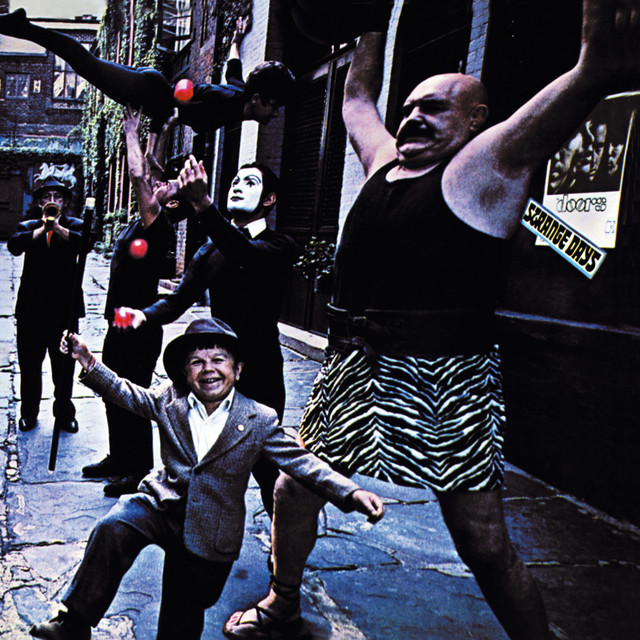
When The Doors recorded "When the Music's Over" for their 1967 album Strange Days, they weren’t just crafting a song; they were channeling the raw, spontaneous energy of their live performances. Unlike many of their contemporaries, The Doors embraced improvisation, allowing their sound to evolve organically during jam sessions. The result is a track that feels both meticulously composed and thrillingly loose.
The Song's Structure
The song begins with a haunting, almost ritualistic call-and-response between Ray Manzarek's organ and Robby Krieger's guitar. This interplay sets the stage for Jim Morrison’s iconic, spoken-word vocal delivery, which builds in intensity as the song progresses. Each performance of "When the Music's Over" was a unique experience, often stretching the track well beyond its studio length of over 10 minutes.
"When the music's over, turn out the light"
This lyric encapsulates the existential themes Morrison often explored, but it also serves as a signal for the band to enter an improvisational frenzy. The live versions of this song often featured extended solos and experimental soundscapes, showcasing their willingness to push boundaries.
Impact on Live Performances
The Doors’ live shows became legendary for their unpredictability. They didn’t just play songs; they created experiences. "When the Music's Over" became a cornerstone of their performances, allowing them to connect with the audience in a deeply visceral way. As Morrison's voice soared, the band often took liberties with the arrangement, inviting the crowd to lose themselves in the moment.
The Doors often extended "When the Music's Over" to 20 minutes or more during live shows, incorporating improvisational sections that showcased each member's virtuosity.
A Reflection of the Era
The song’s improvisational roots reflect the counterculture ethos of the late '60s, a time when artists sought to break free from conventional structures. The Doors, with their penchant for experimentation, became a symbol of this movement. "When the Music's Over" wasn’t just a song; it was a statement about art, freedom, and the transcendent power of music.
Legacy and Influence
Decades later, the impact of "When the Music's Over" is still felt. Bands across genres have been influenced by The Doors’ approach to live performance. The improvisational style has become a hallmark of jam bands and progressive rock acts alike, demonstrating how The Doors paved the way for future generations of musicians to embrace spontaneity.
Conclusion
In a world of polished studio productions, "When the Music's Over" stands as a testament to the power of improvisation in music. The Doors didn't just play their songs; they lived them, turning each performance into an exploration of sound and emotion. This spirit of experimentation not only defined their legacy but also reshaped the live music landscape for years to come.