Echoes of Dissent
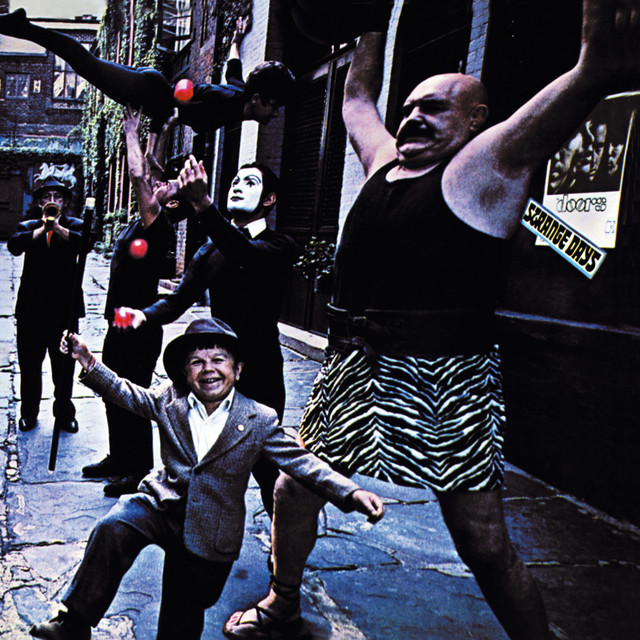
The Doors’ "When the Music's Over" is more than just a haunting track from their 1967 album Strange Days; it’s an anthem that reverberates through time, gaining new significance with each passing decade. With lyrics steeped in existential dread and a critique of societal norms, Jim Morrison's words feel as relevant today as they did during the tumultuous 1960s.
A Call to Action
In a world where music often serves as a backdrop to life's chaos, Morrison's declaration,
stands as a stark reminder of the consequences of apathy. This line transcends mere commentary on the end of a party; it resonates with the urgency of contemporary movements like Black Lives Matter and climate activism. Both movements demand an awakening, a call to recognize that the music of complacency must end."When the music's over, turn out the lights"
Contemporary Relevance
The socio-political landscape of the 2020s echoes the sentiments expressed in "When the Music's Over." The song's darker tones reflect the disillusionment felt by many today. Morrison’s imagery of a world that crumbles when the music fades highlights the fragility of freedom and the importance of standing up against oppression.
Soundtrack of Rebellion
The Doors, under the production of Paul A. Rothchild, crafted a sound that was both psychedelic and raw. The relentless instrumentation in "When the Music's Over" mirrors the urgency of protest chants heard in the streets today. The way the song builds, almost like a crescendo of collective frustration, encapsulates the charged atmosphere of modern demonstrations.
Lyrics as Lament
Morrison's poignant lyrics reflect a deep-seated frustration with the status quo. When he repeats,
it’s a question that cuts through the noise of daily life, urging listeners to confront the ecological crisis and systemic injustices that plague our world. This sentiment resonates with activists who argue that silence in the face of these issues is complicity."What have they done to the Earth? What will they do when the music's over?"
Reflection and Responsibility
As we navigate through an era marked by division and unrest, Morrison’s words compel us to reflect on our roles within these movements. The urgency of his message is a catalyst for discussion about not just what has been lost, but what can still be salvaged. The music may be fading, but the fight must continue.
Released in 1967, Strange Days was The Doors' second studio album and solidified their place in rock history, showcasing their ability to blend poetry with powerful instrumentation.
Legacy of the Message
The lasting impact of "When the Music's Over" is its ability to unify disparate voices under a common cause. It encourages a dialogue about the importance of music in social change, serving as a reminder that artistic expression can inspire action. As we face issues that seem insurmountable, Morrison’s command to take action remains a clarion call.
Conclusion
The Doors may have been products of their time, but their music continues to inspire and provoke thought in today's socio-political climate. "When the Music's Over" is more than just a song; it’s a rallying cry for those who refuse to let the music fade away in silence. The fight for justice, equality, and environmental stewardship is far from over, and Morrison’s haunting words serve as a powerful reminder of that reality.