The Birth of a Psychedelic Epic
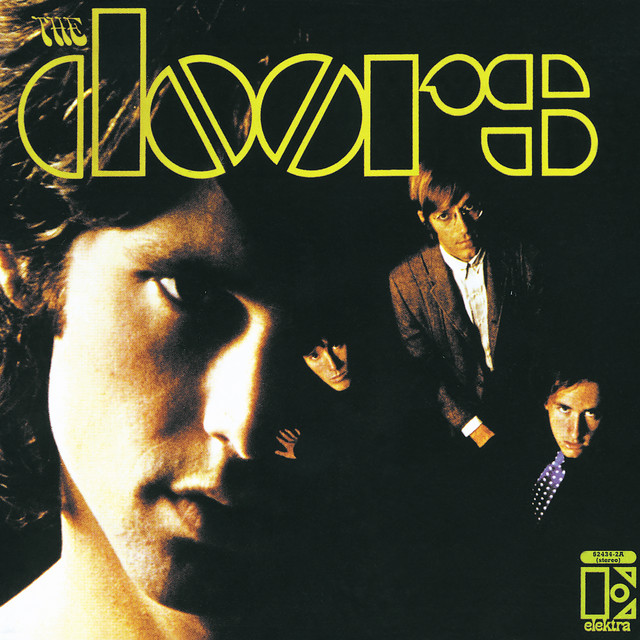
'The End' stands as a towering achievement in rock history, embodying the essence of the psychedelic movement that swept through the 1960s. This 11-minute odyssey, featured on The Doors' self-titled debut album released on January 4, 1967, is not just a song—it's a manifestation of the mind-expanding ethos that defined its era. Jim Morrison's lyrics, borne from a personal heartbreak, quickly evolved into a cosmic exploration of death, rebirth, and existential despair.
A Personal Breakup Becomes a Collective Experience
Morrison originally penned 'The End' as a cathartic release following his breakup with an ex-girlfriend. The raw emotion he channeled became a conduit for a broader commentary on the human condition. Lines like
highlight the depth of his despair, while simultaneously resonating with the psychedelic experience of losing oneself in the chaotic swirl of life."Lost in a Roman wilderness of pain"
Musical Architecture: A Psychedelic Soundscape
The Doors, with their unique blend of rock, blues, and jazz, crafted an eerie yet captivating sound that set the stage for the lyrical voyage. Ray Manzarek's haunting organ riffs create a dreamlike atmosphere, while John Densmore's percussion builds tension, mirroring the song's escalating intensity. Guitarist Robby Krieger’s minimalistic yet powerful guitar work enhances the hypnotic quality, pushing listeners into a trance-like state.
Exploring Themes of Death and Rebirth
Thematically, 'The End' traverses the realms of death and rebirth, encapsulating the psychedelic ethos that encourages exploration of the self. Morrison's repeated invocation of the “end” serves as a metaphorical door to new beginnings, challenging listeners to confront their fears. This duality is reflected in the line
, which suggests that the conclusion of one journey is merely the start of another."This is the end, beautiful friend"
Influence of Psychedelic Culture
The psychedelic culture of the 1960s heavily influenced The Doors' music, intertwining with their lyrical narrative. The use of hallucinogenic drugs was rampant during this time, and Morrison himself was known for his experimentation with substances. This exploration fueled his artistic expression, allowing him to tap into deeper psychological themes. The song's structure, with its slow buildup and explosive climax, mimics the experience of a psychedelic trip, where moments of calm are followed by bursts of intense revelation.
Legacy: A Blueprint for Future Generations
'The End' not only defined The Doors' career but also inspired countless artists across genres. Its haunting melodies and profound lyrics paved the way for progressive rock and alternative music, influencing the likes of Pink Floyd and Radiohead. The song's frank confrontation with mortality and the unknown continues to resonate in contemporary music, a testament to its timelessness.
Interestingly, 'The End' was initially featured in the film 'Apocalypse Now', where its chilling undertones complemented the film's themes of madness and war.
Conclusion: The Psychedelic Experience
The Doors' 'The End' is a quintessential piece of psychedelic rock, encapsulating the era's exploration of self and consciousness. It pushes boundaries not just musically but also thematically, inviting listeners to confront their own existential dilemmas. As we listen to Morrison's haunting voice, we’re reminded that the journey through despair can lead to profound transformation—a core tenet of the psychedelic experience.