The Layers of Tragedy
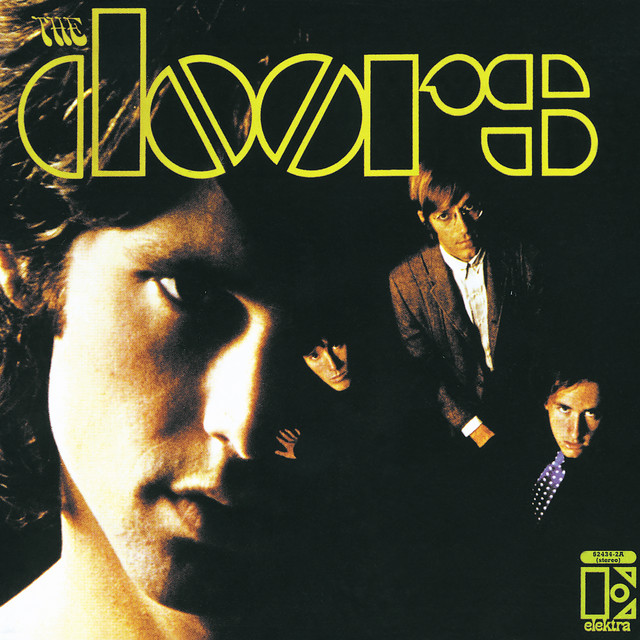
When Jim Morrison wrote "The End," he was grappling with personal loss, a breakup that mirrored the profound existential crises depicted in classical literature. Released in 1967 as part of The Doors' eponymous debut album, this nearly 12-minute track stands as a haunting reflection of the psyche, much like the tragic story of Oedipus.
The Oedipus myth recounts the tale of a man doomed to fulfill a prophecy that foretells he will kill his father and marry his mother. This tragic inevitability resonates with Morrison's exploration of fate and despair within his lyrics. The line “Lost in a Roman wilderness of pain” encapsulates a sense of entrapment, akin to Oedipus's struggle against his own fate.
Personal and Mythical Connections
Initially penned about his breakup with an ex-girlfriend, Morrison's lyrics evolve into an exploration of deeper themes. The sense of loss and betrayal in "The End" transforms the personal into something universal, much like Oedipus’s tragic flaws. Morrison's confession, “I want to be your king,” reveals vulnerability, yet also reflects the darker, more obsessive elements of love.
"Can you feel the heat of the night?"
This line can be read as a nod to the primal urges that drive Oedipus, blending desire with a sense of impending doom. The heat of the night serves as a backdrop to both Morrison's emotional turmoil and Oedipus's tragic realization.
Oedipus’s Recognition
Central to the Oedipus story is the moment of recognition—when Oedipus learns the truth of his actions. Similarly, Morrison's lyrics hint at a moment of clarity amidst chaos. “The killer awoke before dawn” suggests a jarring awakening, where the weight of reality crashes down, much like Oedipus’s revelation of his true identity and actions.
In both narratives, the protagonists are entangled in their fates, unable to escape the consequences of their desires and decisions. Morrison’s harrowing exploration of identity and loss in "The End" serves as a modern retelling of these ancient themes, suggesting that while the context may change, the human condition remains constant.
A Soundtrack to Tragedy
The Doors’ production, led by Paul A. Rothchild, gives "The End" its haunting atmosphere. The eerie organ and echoing vocals create a soundscape that mirrors the disorientation felt by both Morrison and Oedipus. This sonic experience amplifies the tragic weight of the lyrics, making the listener feel the inevitability of despair.
"This is the end, beautiful friend"
This line serves as a chilling farewell, echoing the finality of Oedipus's fate as he blinds himself in despair. Morrison’s farewell is not just to a lover but to an ideal of innocence, drawing a direct line to the tragic consequences faced by Oedipus.
Conclusion: The Timeless Nature of Tragedy
The connection between Morrison's "The End" and the Oedipus myth reveals a timeless exploration of tragedy and fate. Morrison shines a light on the darkest corners of love and loss, creating a narrative that transcends personal experience to touch on universal truths. In this way, "The End" becomes not just a reflection of a personal breakup, but a meditation on the human condition, echoing the age-old stories of tragedy that continue to haunt us.
Interesting fact: "The End" was originally intended to be a simple breakup song but evolved into a complex exploration of existential themes.