The Spirit of Rebellion
Released in 1968, "Five to One" stands as a potent anthem of disillusionment and rebellion, encapsulating the ethos of the 1960s counterculture movement. Jim Morrison's lyrics reflect a world in turmoil, mirroring the societal upheaval of an era defined by protests, sexual liberation, and a quest for deeper meaning.
The song's lines, "Five to one, baby, one in five / No one here gets out alive," confront the listener with a stark reality. The odds are stacked against the individual, a sentiment that resonates with the frustrations of a generation feeling marginalized and oppressed by mainstream society. This is not just a song; it's a rallying cry.
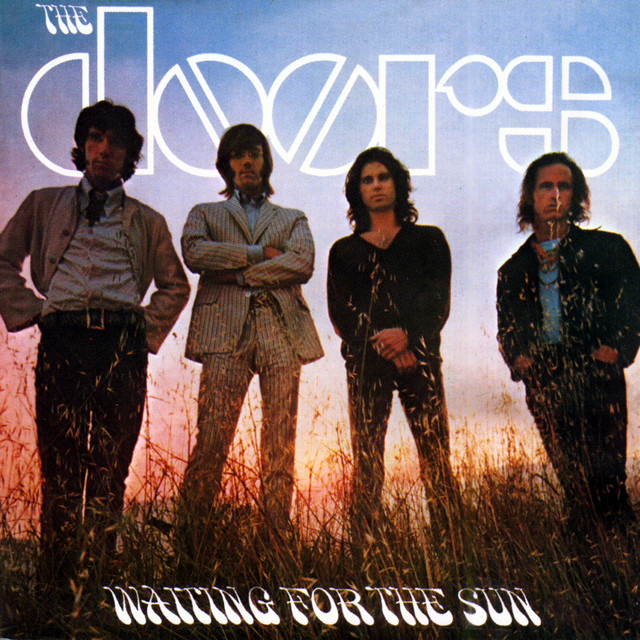
Did you know? "Five to One" was featured on The Doors' album "Waiting for the Sun," which was produced by Paul A. Rothchild, known for his work with other iconic acts of the era.
Counterculture and the 'Us vs. Them' Mentality
The 1960s were marked by a significant divide between the establishment and those who sought to break free from its constraints. Morrison's lyrics reflect this 'us vs. them' mentality, as he boldly declares, "The old get old, and the young get stronger." This line serves as a nod to the ongoing generational conflict, where the youth felt empowered to challenge outdated norms.
The Doors embodied this spirit of rebellion, using their music to question authority and societal expectations. With "Five to One," they tapped into the collective consciousness of a generation that was tired of conforming to rigid standards. The music itself, characterized by a driving beat and a hypnotic guitar riff, further amplifies the urgency of Morrison's message.
The Role of Psychedelia
Psychedelic rock was a hallmark of the 1960s counterculture, and The Doors were at the forefront. Their sound was an exploration of consciousness, often influenced by the era's experimentation with drugs. In "Five to One," the line "You’re all gonna die" is not just a nihilistic warning; it reflects the existential dread that often accompanied the psychedelic experience.
The song's heavy, almost hypnotic rhythm mirrors the mind-altering experiences of the time, as youth sought enlightenment through both music and substance. The Doors were not merely entertainers; they served as cultural commentators, capturing the essence of a generation caught between hope and despair.
A Call for Change
As the counterculture movement progressed, the desire for change became more pronounced. Morrison's bold declaration in "Five to One"—"I can’t help you, I’m just a poet"—highlights the artist's internal struggle. While he recognizes the power of words, he also acknowledges the limitations of art in the face of systemic issues.
This duality reflects the broader sentiment of the era, where many artists felt both empowered and disillusioned. The urgency of the music and the weight of Morrison's words combined to create an anthem that not only captured the spirit of the moment but also urged listeners to take a stand. The song became a soundtrack for protests and gatherings, reinforcing its status as a cultural touchstone.
The Legacy of 'Five to One'
"Five to One" remains a significant piece in The Doors' discography and a lasting symbol of the 1960s counterculture. Its raw energy and provocative lyrics continue to inspire new generations, reminding us of the power of music to challenge the status quo. In a world where many still feel disenfranchised, the song's message is as relevant today as it was over half a century ago.
As we reflect on the past, Morrison's words echo with a timeless quality: "You’re all gonna die," a stark reminder that change is necessary and inevitable. The song serves not just as a historical artifact but as a call to action, urging us to question, to rebel, and to seek a better future.