Spiritual Echoes in Psychedelic Soundscapes
When one thinks of The Doors, the mind often drifts towards the haunting, existential explorations of Jim Morrison. However, in the lesser-known track 'End of the Night,' the influence of Native American spirituality weaves through the psychedelic rock soundscape, creating a rich undercurrent that elevates the song beyond mere heartbreak.
A Journey Through the Night
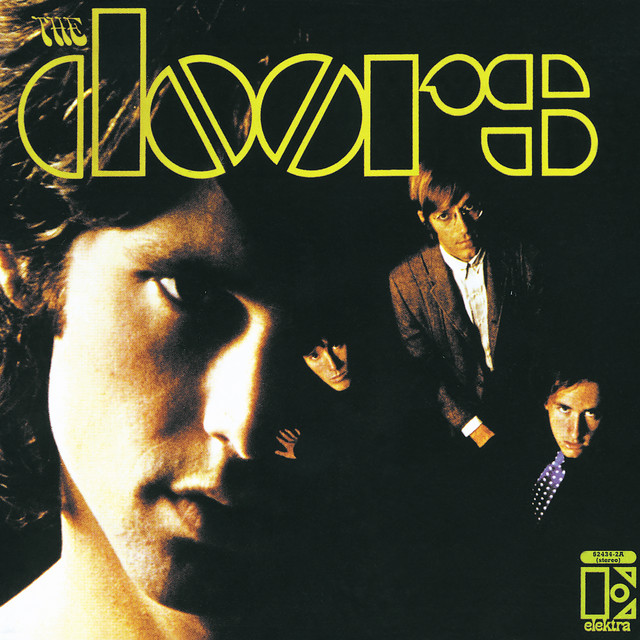
'End of the Night' first appeared on The Doors' self-titled debut album, released in 1967, and later served as the B-side to the single 'Light My Fire.' While the song encapsulates themes of love and loss, Morrison's lyrical imagery suggests a deeper, almost spiritual journey.
"Take the highway to the end of the night"
This line opens the song and sets the stage for a journey that feels less about physical travel and more about spiritual exploration. The 'end of the night' can be interpreted as a metaphor for crossing into another realm, a theme that resonates strongly within Native American traditions, where the night often symbolizes the unknown and the spiritual.
Shamanistic Undertones
Morrison was known for his fascination with various spiritual philosophies, but the song's shamanistic undertones are particularly compelling. Native American shamans often act as guides between the physical and spiritual worlds, navigating the darkness to uncover truths. Morrison himself, with his enigmatic persona and performance style, often embodied this shamanic role on stage.
Moreover, the song's ethereal quality, bolstered by Ray Manzarek's haunting organ work, evokes the idea of transcending earthly concerns. The Doors weren’t just musicians; they were cultural alchemists, merging their rock roots with the mysticism of Eastern philosophies and Native American beliefs.
Symbolism of the Night
Nighttime in many Native American cultures is a time for introspection and connection to the spiritual world. Morrison's lyrics capture this essence, hinting at a desire to connect with something greater than oneself. The line,
reflects a cyclical understanding of existence, echoing the belief that every end leads to a new beginning."End of the night, end of the night"
In this context, the 'end of the night' can be seen as a moment of transformation, much like the rituals performed by Native American tribes to mark significant life changes. This perspective adds layers to Morrison’s narrative, suggesting an embrace of the unknown rather than just a lamentation of love lost.
Bridging Cultures
The Doors existed at a fascinating intersection of cultural movements. The 1960s counterculture was ripe with interest in Native American spirituality, as many sought alternatives to Western norms. Morrison's allure partly stemmed from his ability to channel these diverse influences into his music.
The Doors' fascination with Native American themes is further evident in their song 'Celebration of the Lizard,' where Morrison evokes primal imagery reminiscent of indigenous storytelling.
By incorporating these spiritual elements into 'End of the Night,' Morrison not only reflects personal transformation but also invites listeners into a collective experience of searching for meaning in the darkness.
Conclusion: A Lasting Legacy
'End of the Night' stands as a testament to The Doors' complex relationship with spirituality and identity. It's a song that, on the surface, appears to speak of heartbreak but ultimately serves as an invitation to explore the deeper, often uncharted territories of the soul. The influence of Native American spirituality in this track enriches the listening experience, offering a glimpse into Morrison's quest for understanding and enlightenment.
As we continue to dissect the music of The Doors, it's essential to recognize how these varied influences shaped not just their sound but the very essence of their lyrical storytelling. In 'End of the Night,' Morrison's journey through the darkness becomes a universal search for light, echoing the timeless quest for spiritual connection.