Fame's Double-Edged Sword
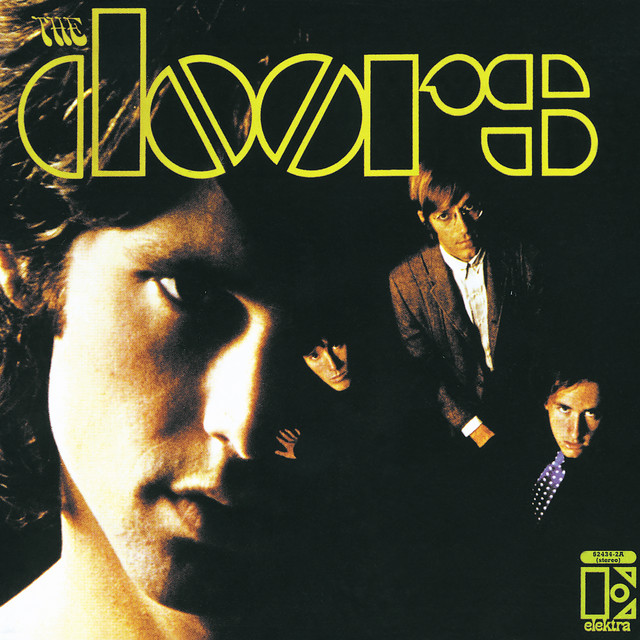
In the pantheon of rock icons, few figures embody the tumult of fame as vividly as Jim Morrison. The Doors' track "End of the Night," from their self-titled debut album released in 1967, serves as a haunting reflection of Morrison's internal battles with celebrity. The song, with its eerie soundscape and introspective lyrics, captures a moment of vulnerability that contrasts sharply with the bravado typically associated with rock stardom.
A Dreamlike Escape
As the song unfolds, listeners are enveloped in a dreamlike state. Morrison's vocals float over a hypnotic melody, suggesting an escape from the harsh realities of life under the limelight. The line,
evokes not just a physical journey, but a metaphorical one into the depths of his psyche. Here, Morrison hints at a desire to retreat from the pressures of fame."Take the highway to the end of the night"
Isolation Amidst the Spotlight
Fame can be isolating, and Morrison's lyrics often reflect that paradox. In "End of the Night," he seems to grapple with the loneliness that accompanies his status. The song’s atmosphere is thick with desperation, as he sings about the night drawing him in, almost like a siren call. It's a reminder that even the most celebrated figures can feel profoundly alone.
Influence of Personal Struggles
Interestingly, the song's thematic elements parallel Morrison's own life experiences, particularly his tumultuous relationships. The Doors had just achieved commercial success, yet the pressure that came with it weighed heavily on him. The line,
resonates with anyone who's felt the disorientation of fame, a sentiment Morrison knew all too well."You’re lost in the night"
The Doors' debut album was produced by Paul A. Rothchild, who helped craft the band's signature sound, setting the stage for Morrison's lyrical explorations.
The Night as a Metaphor
The night, often romanticized in music, serves a dual purpose here. It’s both a refuge and a prison for Morrison. In his world, the night offers liberation from the scrutinizing eyes of the day while simultaneously trapping him in his own thoughts. This duality reflects his struggle to reconcile the freedom of artistic expression with the constraints of public persona.
A Reflection of Mortality
Moreover, Morrison's fascination with mortality and existential themes permeates "End of the Night." As he navigates through the darkness, he confronts his own fears and insecurities. The haunting nature of the track suggests that fame might ultimately lead to a lonely end, a notion that would echo throughout his life and career.
Legacy of a Troubled Icon
Ultimately, "End of the Night" offers a glimpse into the psyche of a man who was both a poet and a tortured soul. Jim Morrison’s struggles with fame are etched into the fabric of the song, making it a timeless exploration of the human condition. It captures the essence of an artist wrestling with his demons, and through that struggle, he created music that still resonates today.
A Lasting Impact
As we reflect on this song decades later, it serves as a potent reminder of the complexities that accompany fame. Jim Morrison's journey is a cautionary tale of how the very thing that elevates can also entrap. In the end, he leaves us with the chilling thought that maybe the night is where we all eventually end up.