The Unexpected Classical Roots of Take Five
When jazz aficionados hear the opening notes of "Take Five," they often associate it with the innovative spirit of the late 1950s jazz scene. Yet, beneath its cool, laid-back surface lies a rich tapestry of classical influence that helped shape not only the composition but also the very essence of the Dave Brubeck Quartet's sound.
Time Out: A Bold Experiment
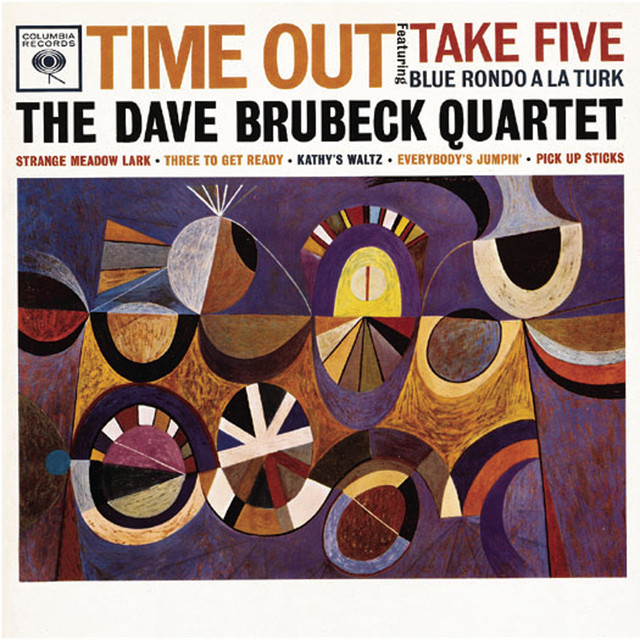
Released in 1959, the album Time Out was a watershed moment for jazz. Brubeck and his bandmates—Paul Desmond, Eugene Wright, and Joe Morello—pushed the boundaries of rhythm and time signatures in a genre often characterized by 4/4 time. The title track, "Take Five," stands out with its 5/4 time signature, which was almost revolutionary at the time.
Echoes of Classical Composers
Brubeck's early musical education included exposure to classical composers like Igor Stravinsky and Paul Hindemith. Stravinsky's rhythmic complexity is echoed in the syncopation and phrasing of "Take Five." The way Desmond's saxophone weaves through the piano's intricate lines can remind listeners of a classical concerto, where the soloist and orchestra engage in a dialogue.
Brubeck's commitment to diversity in music began during his time in the US Army, where he formed one of the first racially integrated bands.
A New Kind of Jazz Standard
But it’s not just the rhythm that sets "Take Five" apart. The melodic structure, which Desmond crafted, carries a lyrical quality often found in classical music. The use of modal scales gives the piece a distinct flavor, reminiscent of the harmonic explorations of composers like Debussy. This connection to classical music elevates the track beyond mere jazz, turning it into an accessible melody that has become a standard.
Popular Culture and Lasting Legacy
Since its release, "Take Five" has transcended the jazz genre, finding a place in commercials, movies, and pop culture. Its influence is evident in contemporary artists who borrow from its complex rhythms and catchy melodies. Even today, when musicians aim to create something fresh, they often find themselves revisiting the classical roots that Brubeck so cleverly integrated.
Brubeck's Vision
Brubeck was not just a musician; he was a visionary who aimed to challenge the norms of jazz. He once stated, "I think the greatest thing about jazz is that it doesn’t have any rules." This ethos is embodied in "Take Five"—a track that defies conventional boundaries and invites listeners to explore its layered intricacies.
"It’s a time signature, but it’s also a feeling."
The Enduring Influence
Recognizing the impact of classical music on jazz opens up a broader conversation about genre boundaries. In a world where genres are often siloed, Brubeck and Desmond remind us that music is a continuum, fluid and ever-evolving. The influence of classical composers on "Take Five" is not just a historical footnote but a testament to the interconnectedness of musical expression.
Conclusion: A Modern Classic
As we listen to "Take Five" today, it serves as a reminder of the unexpected influences that shape our favorite songs. The classical elements infused into its fabric not only make it a jazz standard but also a timeless piece of art that continues to inspire new generations of musicians.