Jazz's Signature Improv
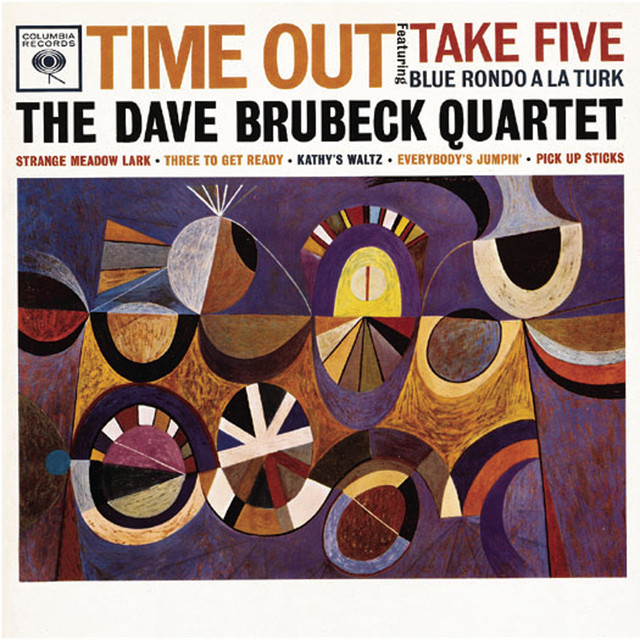
When the Dave Brubeck Quartet released 'Take Five' in 1959 on their landmark album Time Out, the world experienced a jazz piece that was not only innovative in its 5/4 time signature but also a canvas for improvisation. Composed by Paul Desmond, the track became an iconic standard, yet its live performances unveiled layers that the studio recording could only hint at.
From Studio to Stage
In the studio, 'Take Five' is meticulously crafted, showcasing Desmond's smooth saxophone melodies over Brubeck's intricate piano lines. The recorded version, produced under the Columbia label, is a classic jazz piece, but it is during live performances that 'Take Five' truly evolves. The improvisational dialogues between musicians, especially between Brubeck and drummer Joe Morello, turn each rendition into a unique experience.
The Power of Improvisation
Improvisation allows musicians to break free from the constraints of the original composition. During live shows, Morello's drum solos become a focal point, transforming the rhythm into a pulsating heartbeat that drives the audience. His famous drum break, which features a blend of polyrhythms and syncopation, pushes the boundaries of the song, making every performance a fresh encounter.
Desmond's Lyrical Freedom
Desmond's saxophone improvisations inject an emotional depth into the performance. He often explored variations of the main melody, taking the audience on a journey that felt both spontaneous and intentional. This connection between the musicians becomes palpable, especially during the climactic moments where Desmond's improvisations soar. It's not just about hitting the right notes; it’s about how those notes communicate with the audience.
Cultural Impact of Improvised Jazz
Brubeck's approach to jazz was revolutionary, particularly in how he integrated diverse influences into his music. His experiences in the US Army, where he formed one of the first racially diverse bands, shaped his worldview and musical style. This cultural foundation allowed 'Take Five' to transcend mere entertainment, becoming a symbol of unity and innovation in the jazz genre.
The Dave Brubeck Quartet was one of the first jazz groups to incorporate odd time signatures into mainstream music, with 'Take Five' being the most famous example.
A Living Legacy
As 'Take Five' evolves in live settings, it demonstrates the essence of jazz itself: a genre defined by its fluidity and spontaneity. Each performance captures a moment in time, reflecting the musicians' moods, the audience's energy, and the context of the moment. Even decades after its release, the song remains a staple in jazz repertoires around the world, a testament to its improvisational spirit.
The legacy of 'Take Five' is not just in its composition but in how it allows musicians to express their creativity. As Brubeck famously said, “I think that's the essence of jazz: to find a new way of saying things.” This mindset continues to inspire generations of musicians, reminding us all of jazz's dynamic and ever-evolving nature.