Orchestral Depth in a Rock Context
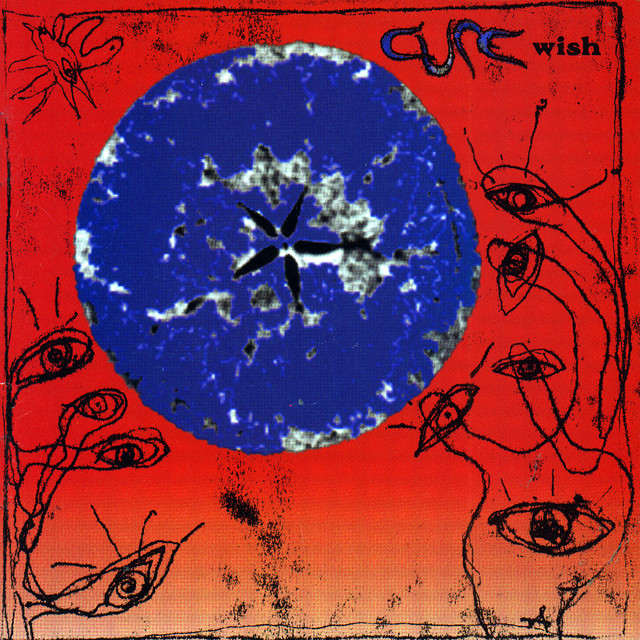
The Cure's "A Letter to Elise" stands as a testament to the band's ability to weave rich, emotional landscapes through their music. Released on October 5, 1992, as the third single from their ninth studio album, "Wish," the track blends gothic rock elements with orchestral touches that amplify its emotional core.
Produced by the band along with David M. Allen, the song features a lush arrangement that elevates frontman Robert Smith’s introspective lyrics. The orchestration, characterized by sweeping strings and melancholic guitar, creates a haunting atmosphere that resonates with listeners long after the song ends.
The Lyrics: A Letter of Longing
At its heart, "A Letter to Elise" is a narrative of longing and loss, encapsulated in the poignant lines that reflect personal regret and yearning. Smith’s delivery is tender yet charged with an underlying sense of desperation. The orchestral backing enhances this emotional tension, allowing the listener to feel the weight of each word.
"And I never wanted to see you again..."
This line succinctly captures the essence of heartbreak. The way Smith delivers it, paired with the soaring strings, creates a moment that feels both personal and universal. The listener is drawn into a world of unfulfilled desires, where every note played by the orchestra mirrors that sense of loss.
Impact of the Instrumentation
The orchestration is not just an embellishment; it’s integral to the song’s emotional landscape. The strings swell and recede, creating a push and pull that echoes the lyrical themes of longing. The Cure masterfully balances the acoustic and electric elements, allowing the orchestral components to shine without overshadowing the core rock sound.
The juxtaposition of ethereal strings with Smith’s raw vocal delivery serves to heighten the emotional stakes. It's a delicate balance—one that The Cure has perfected throughout their career, but perhaps never more so than in this track.
The Cultural Resonance
Upon its release, "A Letter to Elise" achieved commercial success, reaching No. 1 on the Modern Rock Tracks chart. This accomplishment speaks to the song's impact, not just as a single but as a piece of art that resonates with the zeitgeist of the early '90s, a time when themes of introspection and emotional vulnerability were increasingly embraced in alternative rock.
Interestingly, "A Letter to Elise" was one of the last singles released by The Cure during a peak period of their creative output, setting the stage for the more experimental sounds of their later albums.
Conclusion: A Lasting Impression
Ultimately, the haunting orchestration of "A Letter to Elise" serves as a powerful vehicle for its emotional weight. The Cure's ability to blend rock and orchestral elements creates a listening experience that feels timeless. In a discography filled with standout tracks, this song remains a high point, showcasing the band's innovative spirit and emotional depth.