Love and Loss in The Cure's Soundscape
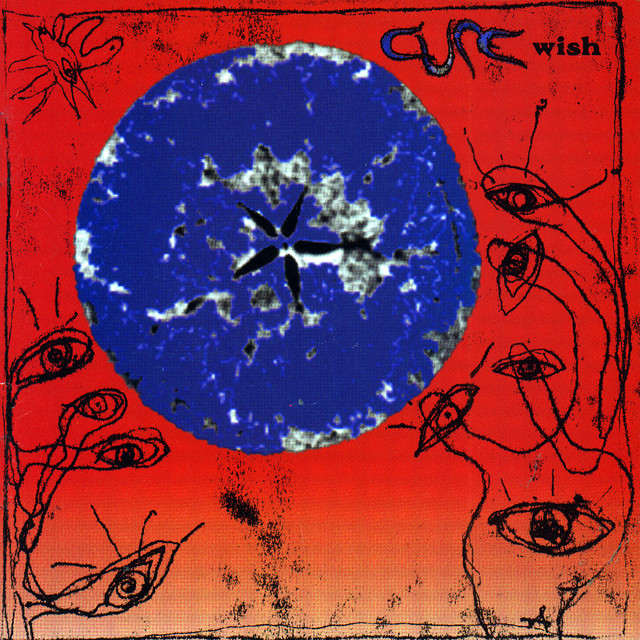
Released on October 5, 1992, as the third single from their ninth studio album, Wish, The Cure's "A Letter to Elise" captures the essence of emotional turmoil amidst the beauty of love. Produced by the band's frontman, Robert Smith, alongside David M. Allen, the track solidifies itself as a haunting exploration of a relationship caught between longing and regret.
Personal Reflections in the Lyrics
The song's narrative unfolds like a confessional letter, where Smith grapples with the complexities of love and the pain of separation. The lyrics evoke a deeply personal journey, speaking not just to a fictional character but reflecting Smith's own experiences. Lines like
reveal an emotional fixation, illustrating how memories cling to us even when they're painful."And I can't stop thinking about you"
The Weight of Nostalgia
Smith's ability to articulate the weight of nostalgia is particularly striking in this track. The melancholic melody paired with his signature vocal style enhances the sense of yearning. The chorus, with its echo of lost love, resonates with anyone who has faced the bittersweet memory of a relationship that could not endure.
A Reflection of the Early '90s
Musically, "A Letter to Elise" is a product of the early '90s alternative scene, combining the ethereal guitar work typical of The Cure with a more straightforward pop sensibility. The song reached number one on the Modern Rock Tracks chart, a testament to its widespread appeal and the growing influence of the band during this era. As grunge emerged, The Cure's sound maintained a distinct atmospheric quality that set them apart.
Emotional Vulnerability
Smith's emotional vulnerability shines through in lines such as
—a stark admission that speaks volumes about the unspoken words that often haunt relationships. This lyric encapsulates the essence of regret, suggesting that sometimes love is not enough, and the inability to communicate can lead to heartache."And you never knew how much I loved you"
Interpersonal Dynamics
In "A Letter to Elise," Smith does not shy away from the complexities of interpersonal dynamics. The song portrays a relationship rife with miscommunication, where the protagonist's feelings remain unexpressed. This layered approach to the narrative adds depth, inviting listeners to reflect on their own experiences with love and loss.
The Cure's Enduring Legacy
The Cure's exploration of love in "A Letter to Elise" serves as a reminder of their unique ability to capture human emotion. As the band continues to inspire new generations, this track remains a high point in their discography, showcasing the blend of melancholy and beauty that has become their signature. The song's emotional resonance ensures that it will remain relevant, echoing the experiences of anyone who has loved deeply and lost painfully.
A Personal Journey
Ultimately, "A Letter to Elise" is more than just a reflection on a romantic relationship; it is a personal journey through the labyrinth of Robert Smith's own heart. The song encapsulates the essence of longing, regret, and the delicate balance of love and loss. As listeners, we find solace in Smith's words, knowing that we are not alone in our struggles.
Did you know? The Cure's Wish album, featuring "A Letter to Elise," was a commercial success, showcasing the band's evolution during the early '90s.