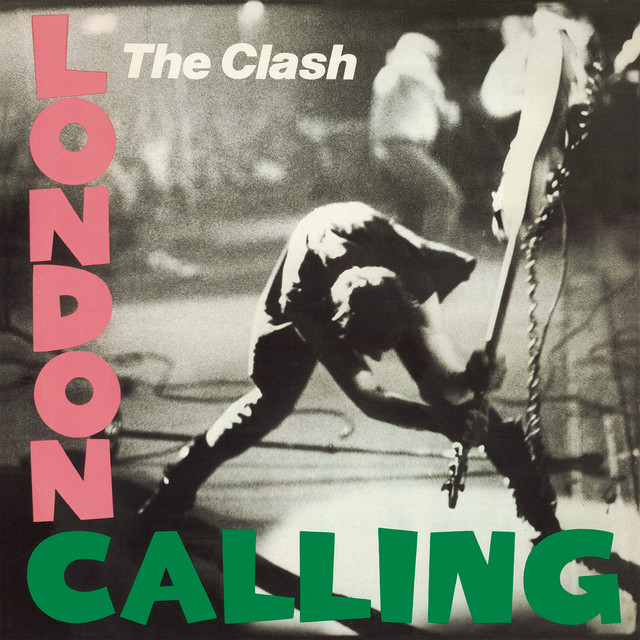
Sound of a Revolution
When The Clash released their third studio album, London Calling, in 1979, they didn’t just create a record; they crafted a manifesto. Produced by Guy Stevens, this double album stands as a pivotal moment in music history, intertwining punk rock with diverse influences, notably reggae and ska. The band's ability to fuse these genres reflected the cultural melting pot of late '70s London, a city rife with social unrest and vibrant musical innovation.
Reggae's Rhythmic Pulse
Reggae had been bubbling under the surface of British music since the late '60s, but The Clash took its rhythmic pulse and made it a cornerstone of their sound. Songs like the title track,
capture a sense of urgency, mirroring the reggae tradition of addressing societal issues through music. The laid-back grooves juxtaposed against frantic punk energy create a unique tension that defines the album."London calling to the faraway towns..."
Ska's Upbeat Influence
Ska, with its upbeat tempo and offbeat rhythms, also played a critical role in shaping the album's sound. The Clash's cover of Junior Murvin's Police and Thieves is a prime example, showcasing how the band embraced the genre while infusing it with their punk ethos. The song's chorus,
, highlights the band's political stance, while the ska rhythm draws listeners into a danceable groove, making serious themes accessible."Police and thieves in the street..."
A Cultural Mix
In the late '70s, London was a microcosm of multiculturalism. The Clash, aware of their surroundings, sought to reflect this diversity in their music. Their engagement with reggae and ska wasn’t just a sonic choice; it was a statement about inclusion and solidarity. The incorporation of these genres allowed them to reach beyond the traditional punk audience, creating a broader appeal while remaining fiercely political.
During the recording sessions for London Calling, The Clash experimented with various sounds and styles, even bringing in musicians from different backgrounds to contribute to the album.
Political Undertones
The Clash's lyrical content often resonates with themes of struggle and discontent, themes that reggae and ska have historically tackled. In London Calling, the band confronts issues like unemployment, racial tensions, and the looming threat of nuclear war. The blend of genres amplifies these themes, allowing the band to craft a sound that is both energetic and thought-provoking. The line,
, captures a sense of impending doom that the infectious rhythms of reggae and ska make almost danceable."...the ice age is coming, the sun's zooming in..."
Legacy and Influence
Decades later, the influence of reggae and ska on London Calling is undeniable. The album paved the way for countless artists who sought to blend genres, proving that rock music could be a platform for diverse sounds and messages. Bands like Rancid and No Doubt would later cite The Clash as a primary influence, particularly for their willingness to incorporate reggae and ska into their music.
Conclusion
In London Calling, The Clash didn’t just blend genres; they forged a new path by embracing reggae and ska, creating a sound that was revolutionary for its time. Their fearless exploration of different musical styles not only redefined punk but also showcased the power of music to reflect and shape societal narratives. As we revisit this iconic album, it’s clear that the influences of reggae and ska remain integral to understanding its enduring impact.