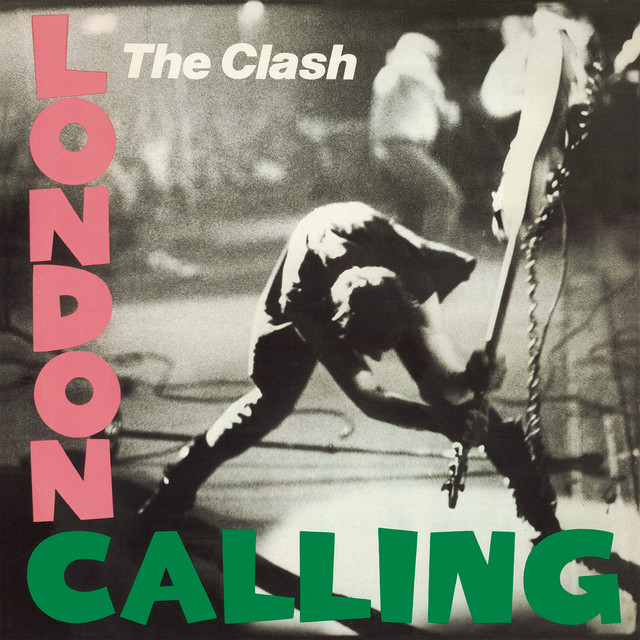
Socio-Political Backdrop of the Late 1970s
The late 1970s in England were marked by turmoil and disillusionment. Economic strife, rising unemployment, and a general sense of malaise painted a grim picture for young people. The Clash, formed in 1976 and dubbed 'The Only Band That Matters', emerged from this landscape, channeling their frustrations into their music.
Recording 'London Calling'
Recorded in August and September of 1979, 'London Calling' was The Clash's third studio album, produced by Guy Stevens. This double album was not just a collection of songs; it was a call to arms, a blend of rock, punk, reggae, and ska that mirrored the chaotic climate of the time.
The Apocalyptic Vision
From the very first notes of the title track, the apocalyptic imagery is striking. The line,
serves as both a warning and an invitation. It suggests that the crisis in London is not confined; its effects ripple outward, affecting all of Britain and beyond."London calling to the faraway towns"
The imagery continues with lines that conjure visions of destruction and despair. The song’s title itself evokes a sense of urgency, a call to those who might still be unaware of the impending doom. The Clash captured the feeling that society was on the brink of collapse, a sentiment echoed in the streets of London.
Context of Fear and Unrest
As the band recorded these tracks, England was grappling with the aftermath of the Winter of Discontent, where strikes and protests had paralyzed the nation. The Clash’s lyrics speak to that unrest directly. They articulate a growing fear that the future was bleak, reflecting the sentiment among youth who felt disenfranchised and neglected.
Musical Influences and Political Statements
The Clash were not just musicians; they were political commentators. The incorporation of reggae influences in 'London Calling' reflects a broader cultural dialogue about race and class in Britain. Tracks like
illustrate the environmental anxieties that started to surface in popular culture, foreshadowing larger conversations that would dominate the decades to come."The ice age is coming, the sun's zooming in"
The Clash were inspired by the socio-political movements of the 1970s, including the rise of punk and the anti-establishment sentiments that characterized the era.
A Lasting Legacy
'London Calling' remains a seminal work precisely because it captures the essence of a tumultuous period. The apocalyptic imagery not only reflects the socio-political climate of the late 1970s but also serves as a timeless warning about the cyclical nature of societal collapse. The Clash, through their raw energy and incisive lyrics, managed to speak to the fears of a generation.
Conclusion: The Urgency of 'London Calling'
In a world where echoes of the past often resurface, The Clash’s vision in 'London Calling - Remastered' remains incredibly relevant. The urgency in their sound and message serves as a reminder that the battles fought in the streets of London are still being waged in various forms around the globe today.