Introduction to a Spiritual Odyssey
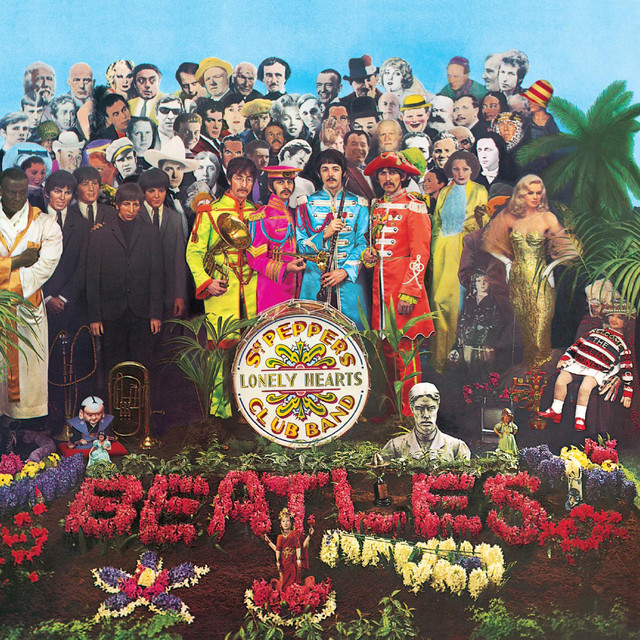
When The Beatles released "Within You Without You" on their 1967 album Sgt. Pepper's Lonely Hearts Club Band, they marked a significant departure from the conventional rock sound of the era. This song, steeped in Indian philosophy, showcases the band’s exploration of consciousness and existence, reflecting the zeitgeist of the 1960s.
The Influence of Indian Philosophy
Written by George Harrison, the track stands out not only for its musicality but for its lyrical depth, heavily influenced by Harrison's study of Indian spirituality and philosophy. The use of the sitar and tabla, instruments not traditionally found in Western pop music, further emphasizes this influence. The incorporation of these elements was not merely a stylistic choice; it was a profound statement about the interconnectedness of all beings.
"With our love, we could save the world, if they only knew"
This lyric encapsulates Harrison's belief in the transformative power of love and compassion, central tenets in many Indian philosophies. The idea that love can transcend individual suffering and bring about collective harmony speaks to a universal truth, one that resonates with listeners beyond the confines of 1967 Britain.
A Departure from Western Norms
Prior to this, The Beatles had crafted catchy pop songs and love ballads. However, "Within You Without You" marked a shift towards introspection and existential inquiry. Harrison's lyrics challenge the listener to consider the nature of reality, echoing the teachings of sages like Ram Dass and the concepts found in Vedanta.
The Musical Journey
The structure of the song itself reflects its philosophical underpinnings. The slow, meditative pace allows listeners to immerse themselves in the message rather than merely passively enjoy the music. The sitar solo, a hallmark of Harrison’s work, serves as a bridge between Eastern and Western musical traditions, further blurring the lines that define cultural boundaries.
George Harrison was introduced to Indian music and philosophy through his friendship with sitar virtuoso Ravi Shankar, which profoundly shaped his artistic direction.
The Cultural Context of 1967
Released during the Summer of Love, "Within You Without You" taps into the era's broader cultural movements, including the rise of counterculture and a growing interest in Eastern philosophies. As young people sought alternatives to the materialism of the West, Harrison provided a sonic gateway to spiritual exploration.
While many Western musicians were dabbling in psychedelia, The Beatles took a more substantive approach. They didn’t just flirt with Eastern sounds; they integrated them into their existential explorations. The song serves as a reminder that true understanding requires more than a superficial engagement; it demands introspection and a willingness to confront uncomfortable truths.
Conclusion: Lasting Impact
"Within You Without You" remains a landmark piece in The Beatles' catalog, illustrating the profound impact of Indian philosophy on their music. As we listen to the remastered version released in 2009, it’s clear that Harrison’s message is more relevant than ever. In a world increasingly fragmented, the call to look within and recognize our shared humanity continues to inspire, making this track a timeless testament to the power of music as a vehicle for philosophical inquiry.