The Beatles and the 1960s Counterculture
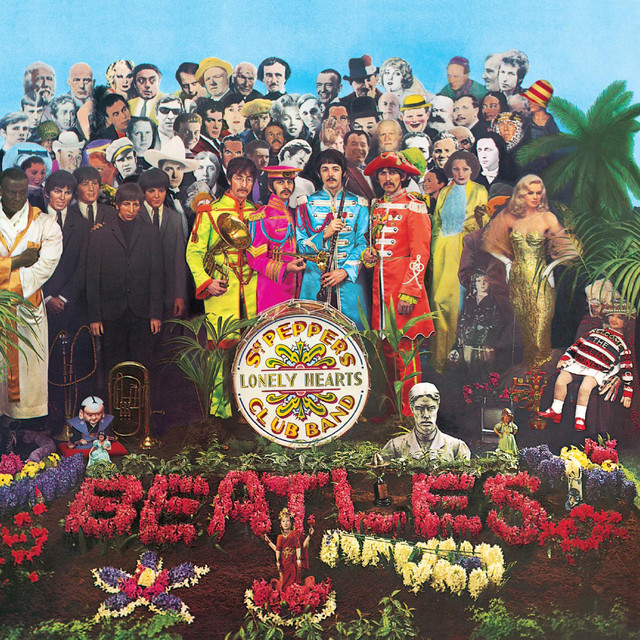
In 1967, The Beatles released "Within You Without You" on their groundbreaking album, Sgt. Pepper's Lonely Hearts Club Band. Written by George Harrison, this track stands as a sonic manifesto for the burgeoning counterculture movement of the 1960s. Harrison, drawing on his deep interest in Indian philosophy and music, crafted a song that was not only sonically innovative but also thematically profound.
The song's incorporation of Indian instruments like the sitar and the tabla was radical for a Western rock band. This choice was a direct challenge to the norms of popular music at the time, signaling a shift towards a more global perspective. In doing so, The Beatles encouraged their audience to think beyond the confines of Western culture.
George Harrison's exploration of Indian music came after his trip to India in 1966, where he studied with sitar virtuoso Ravi Shankar.
Philosophical Underpinnings
The lyrics of "Within You Without You" delve into concepts of existence and interconnectedness. Harrison questions the materialism that dominated Western society, urging listeners to look inward. The line,
serves as a direct invitation to self-reflection, resonating with the counterculture's emphasis on personal enlightenment."Try to realize it's all within yourself,"
This spiritual awakening was aligned with movements such as the hippie culture, which sought to break free from societal norms and embrace a more meaningful existence. Harrison's perspective echoed the sentiments of figures like Alan Watts, who advocated for Eastern philosophies in the West, thus bridging the gap between Eastern and Western thought.
Musical Innovation
Musically, "Within You Without You" is a departure from the traditional rock sound. The song's drone-like quality and complex rhythms reflect a deeper engagement with music as a spiritual practice. The use of the key of B minor creates a somber yet reflective mood, inviting listeners to engage with the material on a different level. This was not merely a song; it was an experience that challenged the listener to embrace new ideas.
Moreover, Harrison's use of the sitar was pivotal in popularizing the instrument in Western music. This fusion of rock and Indian classical music was not just innovative; it was revolutionary, pushing boundaries and inviting other artists to explore similar paths.
Cultural Impact
The impact of "Within You Without You" extended beyond music. It became an anthem for the 1960s counterculture, encapsulating the era's quest for authenticity and truth. The song's philosophical messages inspired a generation to question authority and social constructs, aligning with the anti-war protests and civil rights movements of the time.
Harrison's insistence on looking beyond the material world and recognizing the interconnectedness of all beings struck a chord with many disillusioned youth. The line,
is both a call to action and a reminder of the potential for unity, making it a timeless message that continues to resonate today."With our love, we could save the world,"
Legacy
The remastered version of "Within You Without You" in 2009 allows a new generation to experience its rich textures and profound messages. The clarity of the remaster highlights Harrison's intricate arrangements and the song's spiritual depth, reaffirming its place in the canon of influential music.
This song, along with the rest of Sgt. Pepper's, serves as a testament to The Beatles’ ability to evolve with the times while still pushing the envelope creatively. It reminds us that music can be a vehicle for change, encouraging introspection and connection in an increasingly fragmented world.