Isolation and Loneliness in Post-War Britain
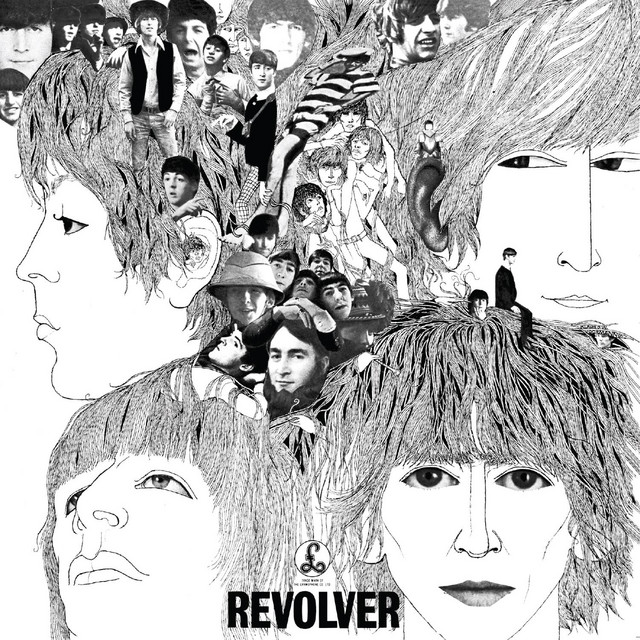
Released in 1966 on the album "Revolver," "Eleanor Rigby" stands as one of The Beatles' most iconic songs, a stark commentary on the loneliness that pervaded post-war Britain. Paul McCartney's vivid storytelling and poignant melodies highlight the struggles of individuals lost in the crowd, encapsulated in the character of Eleanor herself, a woman who dies alone and is buried with no one to mourn her.
The Real-Life Inspirations
McCartney once revealed that the name "Eleanor Rigby" came from a gravestone he spotted in a cemetery, but the song takes on broader significance when considering the social context of the 1960s. At a time when urbanization was reshaping communities, loneliness became a stark reality for many, making McCartney's characters all the more relatable.
"Ah, look at all the lonely people / Ah, look at all the lonely people"
The repetition in this line is haunting, echoing the emotional void felt by countless individuals, reflecting a society that seemed to have lost its sense of connection. The song resonates within the framework of a rapidly changing world where traditional social structures were crumbling, leaving many adrift.
Strings That Bind: The Orchestration
The striking string arrangement, conducted by George Martin, elevates the narrative, steering it away from the pop sensibilities of the time. Martin's orchestration adds a somber depth that mirrors the lyrical content, reinforcing the song's themes of isolation and despair. This was a bold move for The Beatles, who were still finding their footing as artists willing to push boundaries.
Contrasts with 'Yellow Submarine'
While "Eleanor Rigby" grapples with themes of isolation, it contrasts sharply with the whimsical nature of "Yellow Submarine," which also appeared on the same album. This juxtaposition reveals the versatility of The Beatles as songwriters, capable of crafting both light-hearted anthems and somber reflections on the human condition. The playful imagery of "Yellow Submarine" serves as a stark counterpoint to the somber narrative of Eleanor's life.
The 'Fifth Beatle' Influence
George Martin’s influence on The Beatles cannot be overstated; his ability to enhance their musical vision was pivotal. Often referred to as the 'Fifth Beatle,' Martin's collaboration helped shape the artistic direction of songs like "Eleanor Rigby," marking a departure from conventional pop music towards a more sophisticated sound that would define their later work.
Interesting fact: "Eleanor Rigby" was one of the first pop songs to feature a string quartet, paving the way for future orchestral arrangements in rock music.
A Reflection on Society
Ultimately, "Eleanor Rigby" serves as a timeless reflection on the human experience, capturing the essence of loneliness that can exist amid the hustle and bustle of modern life. McCartney’s poignant lyrics and haunting melody invite listeners to consider the invisible battles many face, making it a song that remains relevant decades later.
Legacy of 'Eleanor Rigby'
As The Beatles transitioned from their live performances into studio experimentation, songs like "Eleanor Rigby" marked a turning point in popular music. It’s a testament to their ability to blend meaningful lyrics with innovative soundscapes, creating art that continues to resonate with audiences today.