The Sound of Isolation
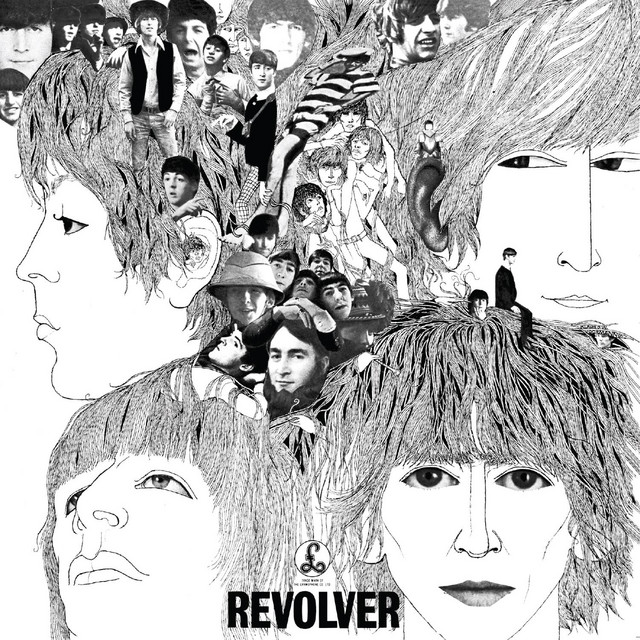
When The Beatles released "Eleanor Rigby" in 1966 on the album "Revolver," they weren't just crafting a song; they were unearthing a collective consciousness about loneliness that was bubbling beneath the surface of 1960s society. This track marked a significant departure from the band's earlier, more upbeat tunes, diving instead into the somber realities of isolation.
Written primarily by Paul McCartney and produced by George Martin, "Eleanor Rigby" is a stark portrayal of individuals lost in the crowd. The lyrics present a vivid picture of desolation: the titular character is a woman who dies alone, forgotten by those around her. McCartney's haunting line,
captures the essence of a generation grappling with the alienation that came with modern life."All the lonely people, where do they all come from?"
Changing Perceptions of Loneliness
The 1960s were a period of radical change, marked by social upheaval and a questioning of traditional values. The rise of urbanization meant more people living in close quarters yet feeling more isolated than ever. "Eleanor Rigby" speaks to this phenomenon, illustrating how loneliness can thrive in bustling environments. The song's orchestral arrangement, featuring a string quartet, further amplifies its themes, creating an atmosphere that feels both grand and deeply personal.
In contrast to the bright colors of earlier Beatles tracks like "Yellow Submarine," which celebrated community and joy, "Eleanor Rigby" brought forth a more introspective and serious tone. It was a reflection of a society starting to confront uncomfortable truths about mental health and the human condition. This evolution in the Beatles' songwriting mirrored broader cultural shifts, as artists across genres began exploring themes of alienation.
In 2009, the remastered version of "Eleanor Rigby" brought the song's clarity and emotional weight to a new audience, showcasing its timeless relevance.
Legacy and Influence
The impact of "Eleanor Rigby" extends beyond its initial release. The song influenced countless musicians and songwriters to address themes of loneliness and isolation in their work. Artists like Simon & Garfunkel and David Bowie drew from this vein of introspection, acknowledging that loneliness is a universal experience.
Moreover, the Beatles' willingness to explore such heavy themes set the stage for future generations of musicians to tackle complex emotional landscapes. By the time they retired from live performances in 1966, they had already shifted the cultural discourse around mental health and personal struggles, paving the way for more honest and raw music.
A Reflection of Our Times
Today, as we navigate a world increasingly defined by digital connections yet marked by profound loneliness, "Eleanor Rigby" remains eerily relevant. The song serves as a reminder that isolation is not a new phenomenon but a persistent aspect of the human experience.
In a time when social media often amplifies feelings of inadequacy and disconnection, revisiting McCartney's stark question is essential:
It challenges us to reflect on our own lives and the lives of those around us, pushing us to acknowledge the loneliness that often lurks beneath the surface."Where do they all come from?"
The remastered version of "Eleanor Rigby" stands as a testament to the power of music to transcend time and speak to the core of human experience. As we listen, we are reminded that in the depth of our solitude, we are all connected by our shared struggles and the search for belonging.