Rhythmic Roots
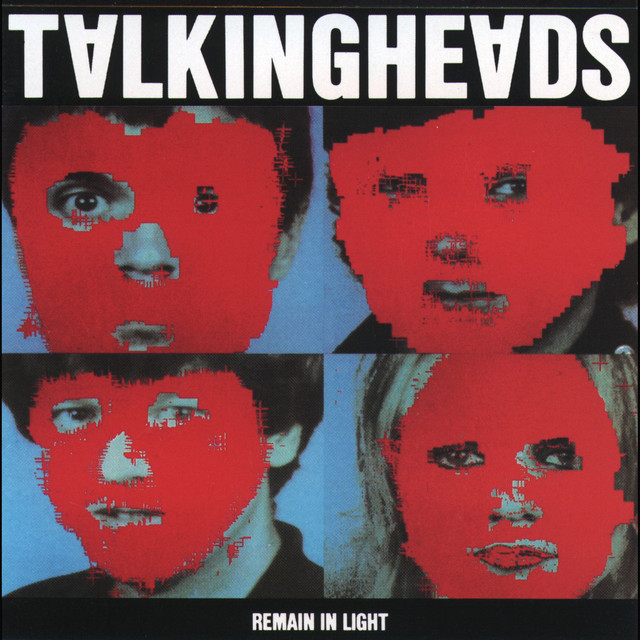
Released in January 1981 as part of the album Remain in Light, "Once in a Lifetime" is a defining track for Talking Heads. The band, alongside producer Brian Eno, fused elements of rock, funk, and African rhythms into a sound that was both innovative and infectious. The driving polyrhythms in the song echo the complex percussion often found in traditional African music, creating a hypnotic feel that underpins David Byrne's urgent vocals.
The Pulse of Africa
The influence of African music on Western pop in the late 20th century cannot be overstated. Bands like Talking Heads were at the forefront, pulling from a wealth of sources. Eno’s fascination with world music is evident in the way he layered rhythms in "Once in a Lifetime." The song's beat is not just a backdrop; it acts as a living entity that breathes with the lyrics. Each rhythmic shift adds to the surreal experience, as Byrne questions the mundanity of life.
"And you may find yourself living in a shotgun shack"
This line sets the stage for the existential exploration that follows. The rhythmic complexity invites listeners to lose themselves in the groove while grappling with the unsettling themes of identity and existence. The African rhythmic influence is not merely an aesthetic choice; it serves as a vehicle for deeper reflection.
The Eno Effect
Brian Eno's production style is a crucial element in the song's construction. He approached music as a painter does a canvas, layering sounds and rhythms to craft an immersive experience. Eno's use of looped percussion and unconventional time signatures mirrors the traditional African approach to music, where rhythm often takes precedence over melody. This technique allows "Once in a Lifetime" to feel both grounded and transcendent.
Interestingly, Byrne and Eno were inspired by the music of Fela Kuti, the Nigerian pioneer of Afrobeat, which combines traditional African rhythms with jazz and funk elements.
Beyond the Beat
While the rhythmic component is vital, it’s the marriage of sound and meaning that elevates "Once in a Lifetime" beyond mere dance music. The song captures a sense of disconnection and the relentless passage of time, themes that are universal yet deeply personal. The hypnotic beats create a trance-like state, allowing listeners to contemplate their own lives amidst the chaos.
"You may ask yourself, ‘How did I get here?’"
Byrne's lyrics echo a feeling of existential crisis, tapping into the anxiety of modern life. The pulsating rhythms enhance this feeling, making the listener question their own reality while moving to the beat. It’s a masterclass in how rhythm can be a narrative tool.
A Lasting Legacy
The influence of African rhythms in "Once in a Lifetime" has rippled through the music world, impacting genres far beyond new wave. Artists across various styles have drawn inspiration from the track’s unique blend of sound and sentiment. It serves as a reminder of the power of cross-cultural exchange in music, highlighting how traditional forms can inform and transform modern expression.
As we listen to "Once in a Lifetime" today, its relevance remains palpable. The song is not just a reflection of its time but a timeless exploration of identity, existence, and the rhythms that underpin our lives.