The Power of the Uncanny
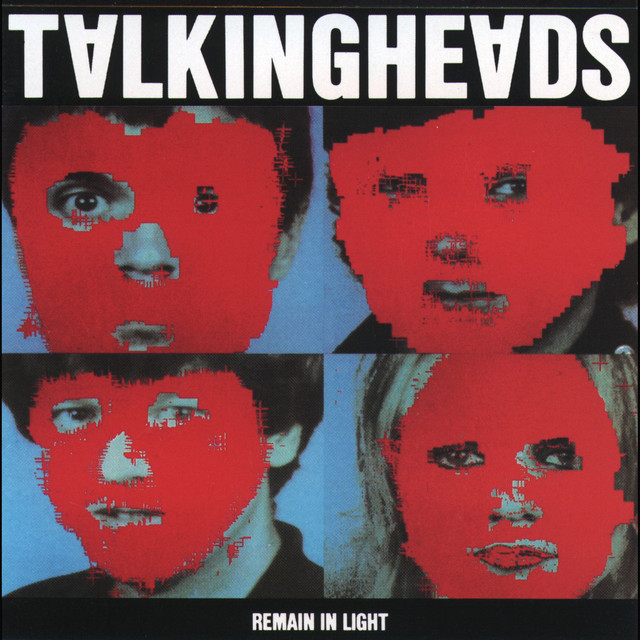
Released in January 1981, "Once in a Lifetime" by Talking Heads is more than just a song; it's a complex exploration of the human condition, layered with existential questions that resonate today. Co-written and produced by the avant-garde genius Brian Eno, the track is a hallmark of the new wave genre, melding art rock with elements of funk and world music.
The music video, directed by Jonathan Demme, captures this existential crisis visually. David Byrne, with his disarming stage presence, dances awkwardly against a backdrop of shifting images, embodying the song's themes of dislocation and uncertainty. The repetition of the phrase “You may ask yourself, ‘Well, how did I get here?’” is not just a rhetorical question; it's an invitation to interrogate our own lives.
A Dance of Paradox
Byrne’s frenetic movements contrast sharply with the serene, almost hypnotic bassline. This dance becomes a metaphor for the chaos of modern existence, where the mundane and the surreal collide. The imagery of Byrne, flanked by a rotating cast of characters, evokes a sense of alienation that is deeply relatable in an increasingly fragmented world.
“And you may ask yourself, ‘What is that beautiful house?’”
The video’s visuals amplify these questions, presenting a world that feels both inviting and unsettling. The house is a symbol of aspiration yet also a marker of societal pressure—a duality that captures the essence of contemporary life.
The Aesthetic of Absurdity
Demme’s direction plays with the absurdity of existence, using stark contrasts and sudden shifts to depict the unpredictability of life. The washed-out colors and surreal imagery create a dreamlike quality, forcing viewers to confront the bizarre nature of reality. The chorus, with its repetitive mantra-like quality, reinforces the sense of being trapped in a cycle of routine and expectation.
Interestingly, this song gained renewed relevance in the age of social media, where the question of identity and self-presentation is more pressing than ever.
The line “You may ask yourself, ‘Am I right? Am I wrong?’” resonates with anyone who has ever questioned their choices in a world that constantly demands clarity. In an era defined by curated identities and performative authenticity, Byrne’s lyrics feel like a warning against the dangers of losing oneself amidst external pressures.
Cultural Impact and Timelessness
The visual commentary extends beyond the immediate context of the early '80s. As viewers watch Byrne's somewhat frantic movements, they can’t help but see reflections of modern anxieties. The video has been referenced in countless cultural contexts, from art installations to meme culture, demonstrating its lasting impact.
The performance is an embodiment of the existential dread that permeates modern life, making the video a timeless piece of art. It's a celebration of life's absurdities, wrapped in a catchy melody that belies its deeper meanings. The marriage of sound and vision creates a palpable tension that invites viewers to confront their own realities.
Conclusion: A Call to Awareness
Ultimately, "Once in a Lifetime" serves as a reminder to be aware of our surroundings and the choices we make. In the music video, Byrne's eclectic performance is not just for show; it's a call to reflect on our existence. The existential questions posed are as relevant now as they were over four decades ago, making Talking Heads' work an enduring reflection on the human experience. The challenge remains: can we confront these questions or will we, like Byrne, merely dance around them?