The Birth of Tin Pan Alley
In the heart of New York City, the late 19th and early 20th centuries saw the rise of Tin Pan Alley, the epicenter of American popular music. This bustling hub was a melting pot for songwriters, musicians, and publishers, all vying for a spot on the charts. The name itself, a nod to the sound of pianos clashing in the crowded streets, symbolizes a chaotic but vibrant period in music history.
While Tin Pan Alley is often romanticized as the birthplace of the American songbook, its legacy extends far beyond catchy tunes. It laid the groundwork for genres like jazz and blues, shaping the musical landscape that would eventually give rise to urban blues.
Stevie Ray Vaughan's Tribute
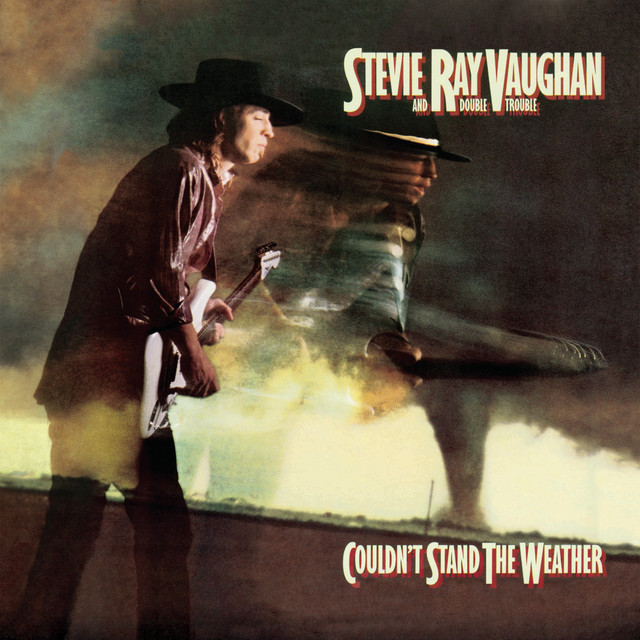
Fast forward to 1984, when Stevie Ray Vaughan released his version of "Tin Pan Alley (AKA The Roughest Place in Town)" on his seminal album Couldn't Stand the Weather. This cover pays homage to the original song recorded by Jimmy Wilson in 1953, which itself was a top 10 hit on the R&B charts. Vaughan's rendition is a masterclass in blues guitar, showcasing his exceptional skill while breathing new life into a classic.
"The roughest place in town, you can hear the blues all around."
These lyrics encapsulate the raw energy and gritty reality of urban life. Vaughan's interpretation emphasizes the struggles of the everyday man, a theme that resonates deeply in the blues genre.
The Intersection of Tin Pan Alley and Urban Blues
To understand the impact of Tin Pan Alley on urban blues, one must consider the socio-economic factors at play. As African Americans migrated to urban centers, they brought their musical traditions with them, blending them with the popular sounds of Tin Pan Alley. This fusion created a distinct sound that would become the foundation of urban blues.
Artists like Muddy Waters and Howlin' Wolf were pivotal in this transition, taking the melodic structures of Tin Pan Alley and infusing them with the emotional weight of their experiences. It’s no coincidence that Vaughan chose to cover a song steeped in this history; he stands on the shoulders of giants who paved the way for the genre.
The Legacy of Urban Blues
Urban blues emerged as a powerful form of expression, often reflecting the struggles and joys of life in the city. The raw, cathartic nature of the music allowed artists to communicate their feelings authentically, and Tin Pan Alley played a crucial role in popularizing these stories. Vaughan’s "Tin Pan Alley" serves as a reminder of the genre's roots and the importance of acknowledging the influences that shaped it.
Did you know? The term 'Tin Pan Alley' was coined in the 1880s, referring to the sound of many pianos playing simultaneously in the music publishing district of New York City.
Modern Relevance
Today, the legacy of Tin Pan Alley and urban blues continues to be felt in contemporary music. Artists across genres draw inspiration from the emotional depth and storytelling inherent in the blues. Vaughan’s rendition of "Tin Pan Alley" not only pays tribute to the past but also serves as a bridge to the future, reminding us that the struggles and triumphs of life are universal themes that will always find their way into music.
As we listen to Vaughan’s guitar wail and the heartfelt lyrics unfold, we are reminded that Tin Pan Alley is not just a forgotten chapter in music history; it is a crucial part of the ongoing narrative of blues and American music as a whole.