Blues Roots and Personal Struggles
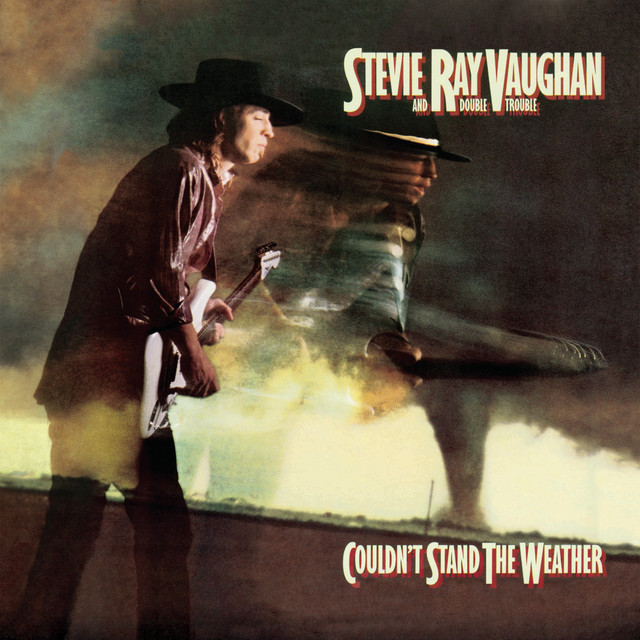
When Stevie Ray Vaughan took on the classic "Tin Pan Alley (AKA The Roughest Place in Town)" for his 1984 album Couldn't Stand the Weather, he didn’t just cover a song; he infused it with his own life experiences and the rawness of his surroundings. Originally recorded by Jimmy Wilson in 1953, this song captured the essence of hardship and survival in the roughest parts of town. Vaughan's version, however, transformed this narrative into something deeply personal, reflecting his own battle with addiction and the tumultuous world around him.
From the Streets to the Stage
Vaughan’s rendition is a masterclass in blues guitar, but it’s his vocals that truly convey a sense of urgency and vulnerability. The way he croons, "Nobody loves me, nobody cares", isn’t merely a lyric; it becomes an echo of his own struggles with loneliness and despair. Where Wilson's original was a gritty observation of life in a tough neighborhood, Vaughan turned it into a confessional, a plea for understanding amidst chaos.
"Nobody loves me, nobody cares"
Personal Encounters in the Roughest Place
Vaughan’s life in Texas, particularly in Austin, was a mix of vibrant music culture and the struggles that came with it. He often found himself in the shadows of bars and juke joints, places that served as both inspiration and battlegrounds for his demons. This gritty backdrop is palpable in his music, especially in "Tin Pan Alley," where the blues become a vehicle for catharsis.
Musical Revival and the Legacy of the Blues
Not only did Vaughan breathe new life into the song, but he also helped revive the blues genre in the '80s. His influence can be traced back to the original blues artists, and yet he made it undeniably contemporary. The way he stretched the song to nine minutes, allowing his guitar to speak, creates a visceral experience that connects with audiences old and new.
Vaughan’s version of "Tin Pan Alley" is often regarded as a high point in his career, showcasing his technical prowess and emotional depth.
A Narrative of Resilience
Ultimately, "Tin Pan Alley" isn’t just about the roughness of the streets; it’s a tale of resilience. Vaughan’s personal encounters—his battles with addiction, the pressures of fame, and his unwavering commitment to his craft—infuse the song with a sense of urgency that speaks to anyone who feels lost or marginalized. His guitar weeps and roars in equal measure, underscoring the emotional heft of the lyrics.
Conclusion: A Lasting Impact
Stevie Ray Vaughan didn’t just reinterpret a song; he redefined its meaning through his own life experiences. By channeling his struggles into "Tin Pan Alley," he honored the legacy of blues music while carving out a new space for it in rock history. His version stands as a testament to the power of personal narrative in music, reminding us that the roughest places often yield the most profound art.