The Haunting Roots of 'Tainted Love'
Soft Cell's 1981 rendition of "Tainted Love" is a synth-pop anthem that has echoed through decades, yet its origins are surprisingly dark. The song, with its pulsating electronic beats and melancholic lyrics, tells a story of a toxic relationship that leaves one feeling trapped and desolate. Lines like
encapsulate the emotional turmoil that many listeners identify with."I give you all the boy could give you / Take my tears and that's not nearly all"
From Motown to Synth-Pop
Before it became a staple of 80s nightlife, "Tainted Love" was originally recorded in 1965 by the American soul singer Gloria Jones. This Motown hit, while not as commercially successful at the time, laid the groundwork for the song's later fame. Jones's version, with its soulful delivery, highlighted the heartbreak of unreciprocated love and the personal struggle that accompanies it.
Gloria Jones's original version of "Tainted Love" was largely overshadowed upon its release, but it later gained traction in the UK Northern Soul scene.
When Soft Cell stumbled upon the track, they were captivated by its emotional depth. Their take on the song transformed it into a danceable hit, but the core of the narrative remained intact. The duo, consisting of Marc Almond and David Ball, infused the track with a new wave sound that complemented the lyrical despair. Almond's vocal delivery brings a haunting quality that contrasts sharply with the upbeat synths.
Reimagining Heartbreak
Soft Cell's approach to "Tainted Love" speaks to a broader trend in the 1980s, where artists reinterpreted classic songs through a modern lens. They stripped down the original's soulful instrumentation and replaced it with synthesizers and drum machines, creating a sound that was fresh and evocative. The result was a version that not only honored its origins but also redefined them for a new generation.
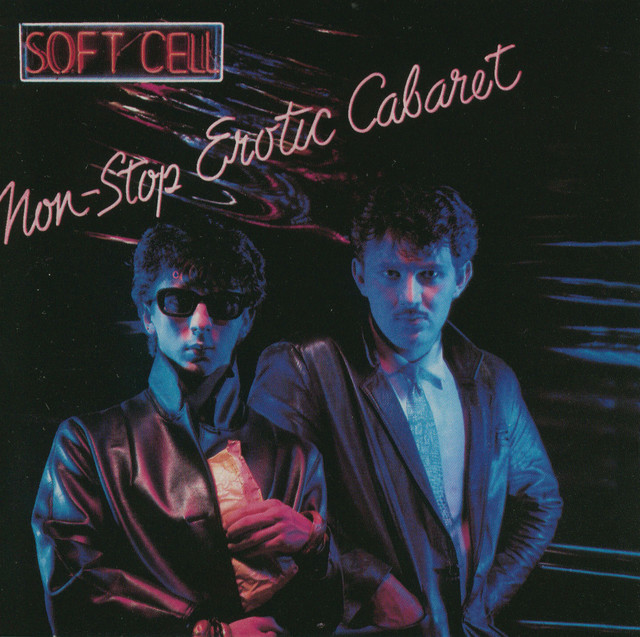
In the context of their debut album, Non-Stop Erotic Cabaret, "Tainted Love" stands out as a centerpiece that encapsulates the album's themes of desire and disillusionment. The pairing of glamor and despair reflects the duality of nightlife during that era. Songs like this captured a sense of escapism while simultaneously addressing the emotional wreckage often left in its wake.
A Cultural Phenomenon
The success of Soft Cell's "Tainted Love" was not just a fleeting moment; it became a cultural phenomenon. The track topped the UK charts and has continued to influence countless artists. Its legacy is cemented in lists such as Rolling Stone's 500 Greatest Songs of All Time, where it is celebrated for its groundbreaking sound and emotional resonance.
Interestingly, the song's popularity helped revive interest in Gloria Jones, who, despite her initial obscurity, found new life in the recognition of her work. The connection between the two versions is a testament to the cyclical nature of music, where past influences can morph into new expressions.
A Lasting Impact
Ultimately, "Tainted Love" serves as a reminder of the complexities of love and the pain that often accompanies it. Soft Cell's rendition, while rooted in the darkness of Jones's original, offers a synth-pop anthem that feels both timeless and timely. The haunting lyrics and infectious beats create a juxtaposition that continues to captivate audiences, proving that even in the most toxic relationships, there is a beauty to be found.
"Don't touch me, please / I cannot stand the way you tease"
These words resonate with anyone who has faced the turmoil of a troubled romance, showcasing the enduring power of music to articulate our deepest feelings.