A Cultural Moment in Time
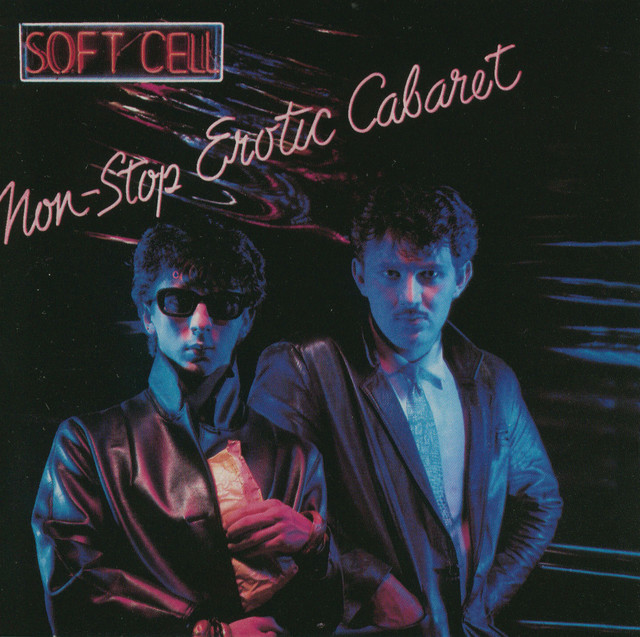
When Soft Cell released their iconic version of "Tainted Love" in 1981, it was more than just a synth-pop hit; it became a defining anthem for the LGBTQ+ community during a tumultuous decade. The song, lifted from the Northern Soul scene and originally recorded by Gloria Jones in 1965, found new life through Marc Almond's haunting vocals and David Ball's electronic production. The duo's platinum-selling debut album, Non-Stop Erotic Cabaret, set the tone for a generation grappling with identity, love, and societal rejection.
Lyrics That Speak to the Heart
The lyrics of "Tainted Love" encapsulate feelings of heartbreak and disillusionment. Almond's delivery of lines like
resonates with those who feel marginalized and unacknowledged. This sentiment echoed the experiences of many in the LGBTQ+ community in the 1980s, particularly amidst the AIDS crisis and the conservative backlash against sexual liberation."I give you all my love, but you don't care"
A Soundtrack for Rebellion
As the gay rights movement gained momentum, "Tainted Love" emerged as a soundtrack for rebellion and self-acceptance. The song's infectious beat and melancholic undertones provided a perfect backdrop for club culture, where many found solace and community. It became a staple in gay bars and dance clubs across the UK and the US, where the chorus of
took on new meaning for those navigating complex relationships."Don't touch me, please, I cannot stand the way you tease"
Soft Cell's Impact on LGBTQ+ Culture
Soft Cell's success was not just about the music; it was about visibility. By embracing a queer aesthetic, they contributed to a broader acceptance of LGBTQ+ artists in mainstream music. Their flamboyant style and Almond's open sexuality challenged norms and provided representation in an industry that often sidelined gay artists. With twelve top 40 hits in the UK, they paved the way for future generations.
A Legacy of Empowerment
Even decades later, "Tainted Love" continues to resonate. Its inclusion in various movies, TV shows, and remixes keeps the spirit alive, reminding listeners of the struggles and triumphs of the LGBTQ+ community. The song's dual themes of love and heartbreak have a universal appeal, but for many, it remains a powerful reminder of a time when love was often tainted by society's prejudice.
Interestingly, "Tainted Love" is featured in Rolling Stone's list of the 500 Greatest Songs of All Time, solidifying its status in music history.
The Enduring Anthem
Soft Cell's "Tainted Love" is not merely a song; it’s a historical moment captured in sound. Its ability to convey deep emotional pain while encouraging resilience is a testament to the power of music. As we reflect on its legacy, it’s clear that this anthem will continue to inspire and empower those who feel marginalized, reminding us all of the strength that can emerge from vulnerability.