Behind the Mask
Smokey Robinson & The Miracles' 1967 hit "The Tears of a Clown" remains one of the most iconic songs in Motown history. Written in collaboration with Hank Cosby and Stevie Wonder, the track blends soul with a subtle theatricality, bringing a sense of drama that feels almost circus-like. The imagery of clowns—typically associated with joy and laughter—serves as a profound metaphor for hidden sadness. In a genre often drenched in unabashed emotion, this song stands out for its masterful dissonance.
The Circus as a Metaphor
The lyrics suggest a performance; the protagonist dons a mask to hide his true feelings. The line "Just like Pagliacci did / I try to keep my sadness hid" invokes the image of the famous clown who, despite his comedic exterior, is deeply troubled. This duality—the facade of happiness concealing profound sorrow—is a core theme in the song.
"Just like Pagliacci did / I try to keep my sadness hid"
This specific reference to Pagliacci is striking. The Italian opera character, celebrated for his comedic roles, tragically embodies the very essence of the clown's plight, making Robinson's connection to circus imagery not just clever but deeply resonant. It's as if he’s presenting a circus of emotions, where laughter and tears coexist, challenging the listener to confront their own hidden struggles.
A Playful Production
Musically, the song features an upbeat tempo and vibrant instrumentation, further enhancing the juxtaposition between the lyrical content and the sound. The horns and strings create a festive atmosphere, almost like a circus parade. This playful production contrasts sharply with the melancholic narrative, reinforcing the idea that external appearances often mask internal turmoil.
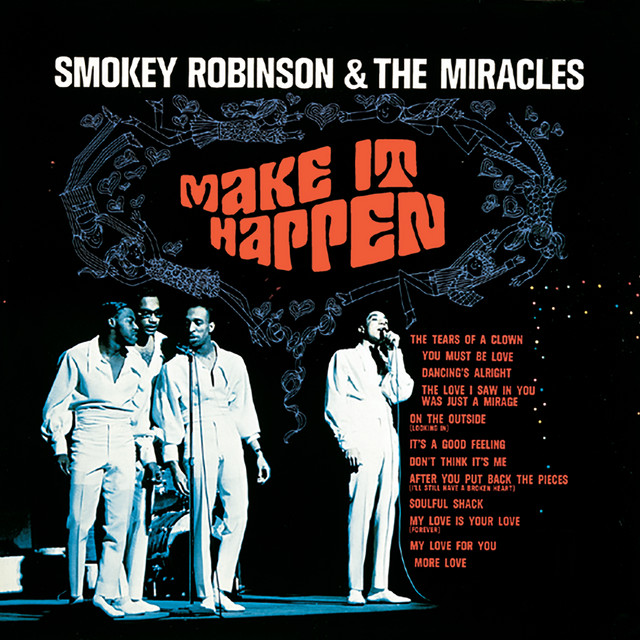
The song was released on the album "Make It Happen," which also included other hits like "The Love I Saw in You Was Just a Mirage."
The Clown's Dilemma
Robinson's exploration of the clown archetype speaks to a universal experience. Many individuals wear metaphorical masks, presenting a cheerful facade to the world while grappling with their inner demons. The song captures this spirit effectively, allowing listeners to find solace in shared experiences of pain and joy.
Cultural Impact and Legacy
The influence of "The Tears of a Clown" extends beyond its initial release. It has been covered by various artists, including the British ska band Madness, who brought the song to a new audience in the 1980s. Each rendition highlights the timelessness of Robinson’s themes, demonstrating how the image of the clown continues to resonate across generations.
In a time when mental health discussions are more prominent than ever, the song remains relevant. The metaphor of a clown—someone who is expected to bring joy yet often feels the weight of sadness—strikes a chord with many. It prompts a reflection on the societal pressures to maintain a cheerful demeanor, even when burdened by inner grief.
Conclusion: The Lasting Power of Imagery
Ultimately, Smokey Robinson’s use of circus imagery in "The Tears of a Clown" serves as a powerful reminder that life's complexities often defy expectations. The song invites listeners to embrace both their joy and sorrow, recognizing that they can coexist. In a world demanding constant smiles, Robinson’s poignant portrayal of the clown reminds us of the beauty in vulnerability, making it a timeless classic that will resonate for years to come.